UK's Incoming Prime Minister Andy Burnham Eyes 'Hard Power' Investments
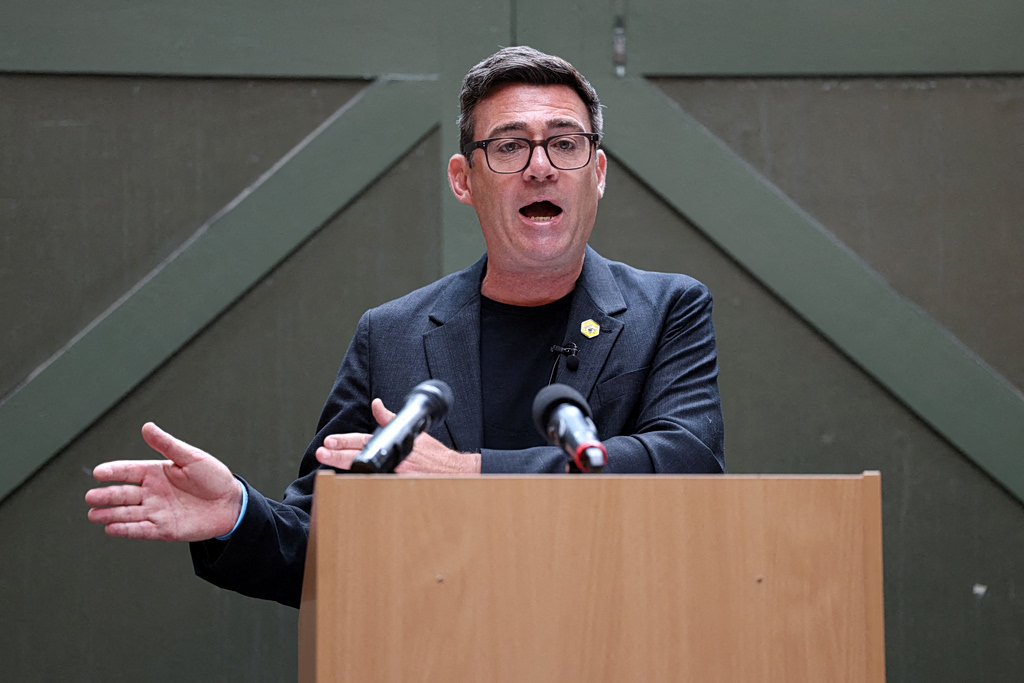
Andy Burnham is poised to become the next Prime Minister of the United Kingdom, succeeding Keir Starmer. His ascent to the leadership is widely anticipated, bolstered by significant support within the Labour Party. Burnham secured a commanding majority in the internal party elections, earning the backing of 322 out of 403 Members of Parliament in the Labour parliamentary group, approximately 80% of the vote. His policy agenda reportedly emphasizes an investment in 'hard power.' This strategic focus suggests a potential shift in the UK's approach to national security and international relations, prioritizing military and economic strength. The transition is expected to occur on July 20th, marking a new chapter for British governance under Burnham's leadership.
The anticipated leadership transition in the UK, with Andy Burnham set to assume the premiership, signals a potential recalibration of national priorities. Burnham's stated intention to invest in 'hard power' suggests a strategic emphasis on military and economic capabilities as foundational elements of national security and international influence. This approach, while potentially aimed at projecting strength and deterring adversaries, warrants consideration of its long-term implications. Investing heavily in hard power may divert resources from other critical areas such as social programs, infrastructure, or climate initiatives, presenting a trade-off between security and domestic well-being. Furthermore, in an increasingly interconnected world, the efficacy of solely hard power-based strategies is debatable, as soft power, diplomacy, and international cooperation also play crucial roles in global stability and influence. The coming decade will likely test the adaptability of such policies in the face of evolving geopolitical landscapes and technological advancements.
AI-generated to prompt reflection — not editorial opinion, not advice, not a statement of fact. How this works.