UK's IRGC Ban Hailed by Journalist Attacked in Suspected Iranian Plot
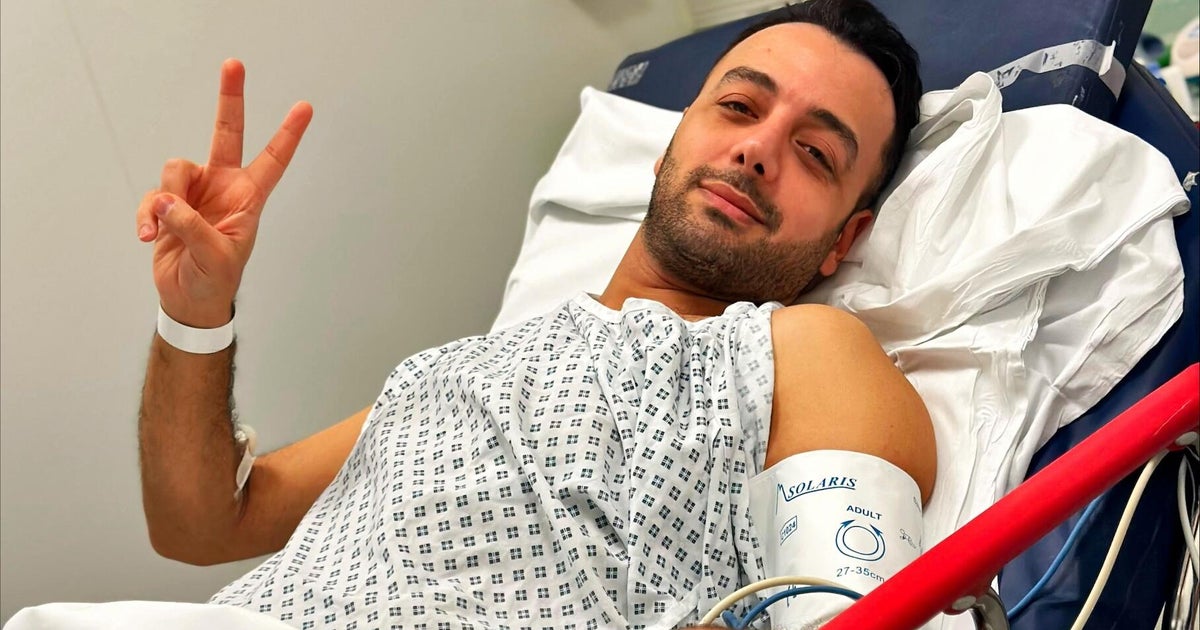
British Iranian journalist Pouria Zeraati has described the UK's decision to ban the Islamic Revolutionary Guard Corps (IRGC) as "the happiest day." Zeraati himself was the victim of a stabbing incident in 2024, which is widely believed to have been an attack orchestrated by the Iranian state. The journalist, who has been a vocal critic of the Iranian regime, was targeted following his work. The UK's designation of the IRGC as a terrorist organization signifies a significant escalation in diplomatic and security measures against the group. This move by the British government is seen as a direct response to the IRGC's alleged destabilizing activities in the region and its history of human rights abuses. Zeraati's statement underscores the personal impact of such state-sponsored actions and highlights the perceived vindication felt by those who have been targeted by Iran. The ban is expected to have far-reaching implications for diplomatic relations and counter-terrorism efforts involving Iran.
The UK's designation of the IRGC as a terrorist organization represents a significant geopolitical development, shifting the framework for engagement with Iran. For individuals like Pouria Zeraati, who have directly experienced alleged state-sponsored aggression, this action may offer a sense of justice and security. However, from a systemic perspective, such designations can complicate diplomatic channels and potentially escalate tensions, impacting broader international relations and economic ties. The long-term effectiveness of this ban will likely depend on coordinated international strategies and the careful management of retaliatory measures, aiming to deter future hostile actions without unduly isolating populations or hindering essential dialogue.
AI-generated to prompt reflection — not editorial opinion, not advice, not a statement of fact. How this works.