UK's New Prime Minister Andy Burnham Sworn In, Holds Key Meetings
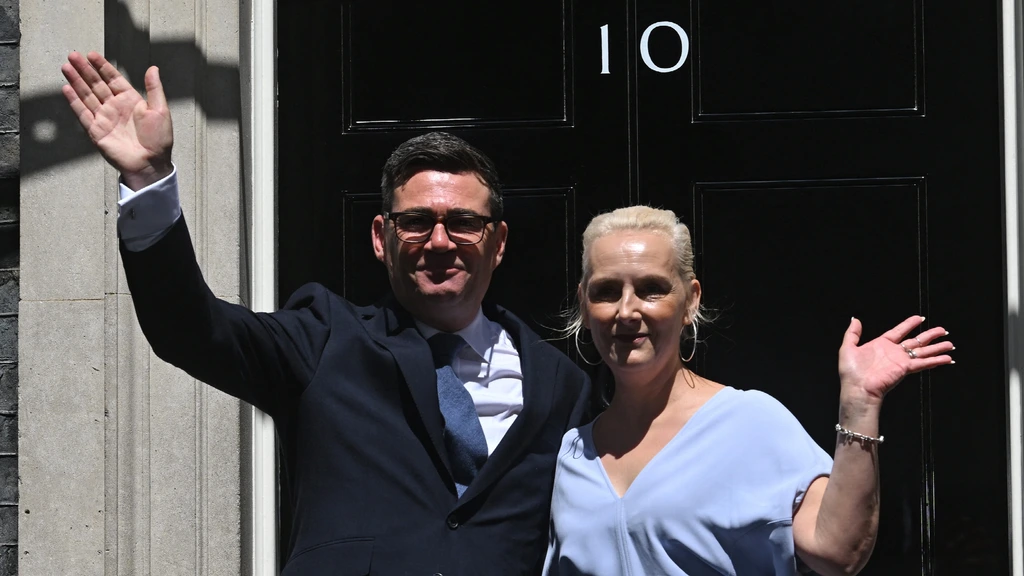
Andy Burnham, 56, has completed a busy first day as the new British Prime Minister, having been formally asked by King Charles to form a government. During his inaugural speech, Burnham declared ambitious plans, stating, "I have heard you: we have not been good enough, and we must do better. We will do better. This is the moment our country begins to believe again, the moment we bring back hope." Burnham is the first Prime Minister from Northern England since the 1950s. His prior success as Mayor of Manchester, where his "business-friendly socialism" revitalized the city's economy, fuels hope that he can translate local leadership into national success. He intends to achieve this by devolving more power to local authorities. The stakes are high, as Burnham is the seventh Prime Minister in ten years.
Burnham held significant calls with international leaders, including U.S. President Donald Trump, emphasizing his commitment to defense and security and the UK's contribution to securing the Strait of Hormuz. He also spoke with European Commission President Ursula von der Leyen, agreeing to a future UK-EU summit. Additionally, Burnham announced plans to establish a second Prime Minister's office, "Number 10 North," in Manchester. Key ministerial appointments were made, including John Healey as Chancellor of the Exchequer, Ed Miliband as Foreign Secretary, and Shabana Mahmood continuing as Home Secretary. Burnham received congratulations from leaders like Chinese Premier Li Qiang and German Chancellor Friedrich Merz, with Dutch Prime Minister Jetten expressing eagerness to continue close collaboration on trade, energy, defense, and support for Ukraine.
The rapid succession of UK Prime Ministers highlights potential systemic instability within the nation's political framework, creating an environment where long-term policy development may be challenged. Prime Minister Burnham's emphasis on devolution and regional development, coupled with his "business-friendly socialism" approach, signals a potential shift in governance philosophy, aiming to leverage local economic successes for national benefit. His immediate engagement with global leaders, particularly on defense and international trade routes like the Strait of Hormuz, underscores the enduring geopolitical complexities the UK faces. The establishment of a secondary Prime Minister's office in Manchester could indicate a strategic effort to decentralize power and foster a more geographically balanced approach to governance, potentially reshaping the UK's administrative landscape in the coming decade. This move may also reflect broader trends towards regional autonomy and the evolving nature of national leadership in an increasingly interconnected world.
AI-generated to prompt reflection — not editorial opinion, not advice, not a statement of fact. How this works.