UK's Political Turmoil: Seven Prime Ministers in a Decade Since Brexit
The United Kingdom has experienced a decade of significant political instability, marked by the appointment of seven prime ministers since the 2016 Brexit referendum. This period of upheaval began shortly after the June 23, 2016 vote, where 51.9% of Britons favored leaving the European Union. The formal process of withdrawal commenced in March 2017 with the activation of Article 50. Despite parliamentary challenges and rejected deals under Theresa May, Boris Johnson eventually secured parliamentary approval for a revised agreement, leading to the UK's formal departure on January 31, 2020, followed by a transition period until December 31, 2020.
Economically, Brexit has led to prolonged stagnation, according to experts. The UK's exit from the EU's single market, which previously comprised approximately 500 million consumers, reduced its accessible market to around 68 million people. The imposition of regulatory and trade barriers has hindered exports, impacting economic growth, wage increases, inflation control, and investor confidence. Politically, Brexit has exacerbated internal divisions within the UK, particularly concerning Northern Ireland's continued integration with the EU market in certain aspects, and has emboldened nationalist movements in Scotland and Wales.
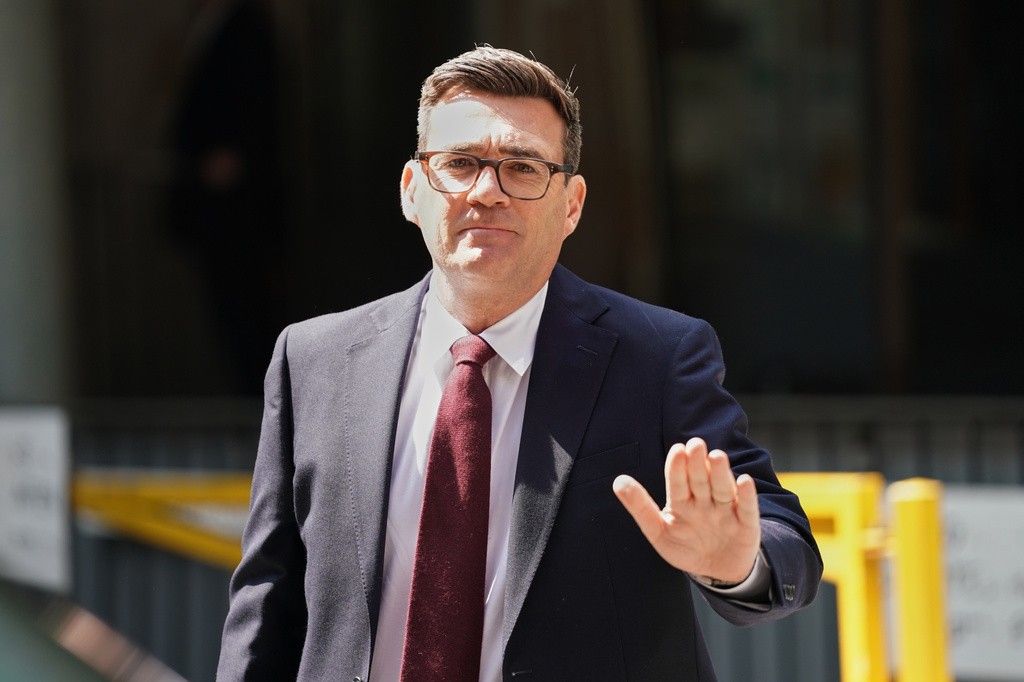
The frequent changes in leadership are attributed to crises of popularity and the inherent structure of the British political system, where the prime minister holds considerable power but relies heavily on party support. When a prime minister resigns, the ruling party selects a new leader, who is then appointed by the monarch without a general election. This dynamic has contributed to the rapid succession of leaders, including David Cameron, Theresa May, Boris Johnson, Liz Truss (whose 45-day tenure was the shortest on record), and Rishi Sunak, with Andy Burnham most recently taking office.
The decade following the Brexit referendum has underscored the complex interplay between national sovereignty, economic integration, and political stability. The shift from a large, integrated market to a more fragmented one presents ongoing challenges for economic growth and regulatory alignment. The frequent changes in prime ministerial leadership suggest underlying difficulties in maintaining broad political consensus and navigating the consequences of the Brexit decision. Future governance will likely involve continuous efforts to balance domestic priorities with international economic realities, while addressing regional political dynamics within the UK. The system's responsiveness to public sentiment, as evidenced by leadership changes, will be a key factor in its long-term adaptation to these evolving circumstances.
AI-generated to prompt reflection — not editorial opinion, not advice, not a statement of fact. How this works.