UK Seeks Extradition of Influencers Andrew and Tristan Tate from US
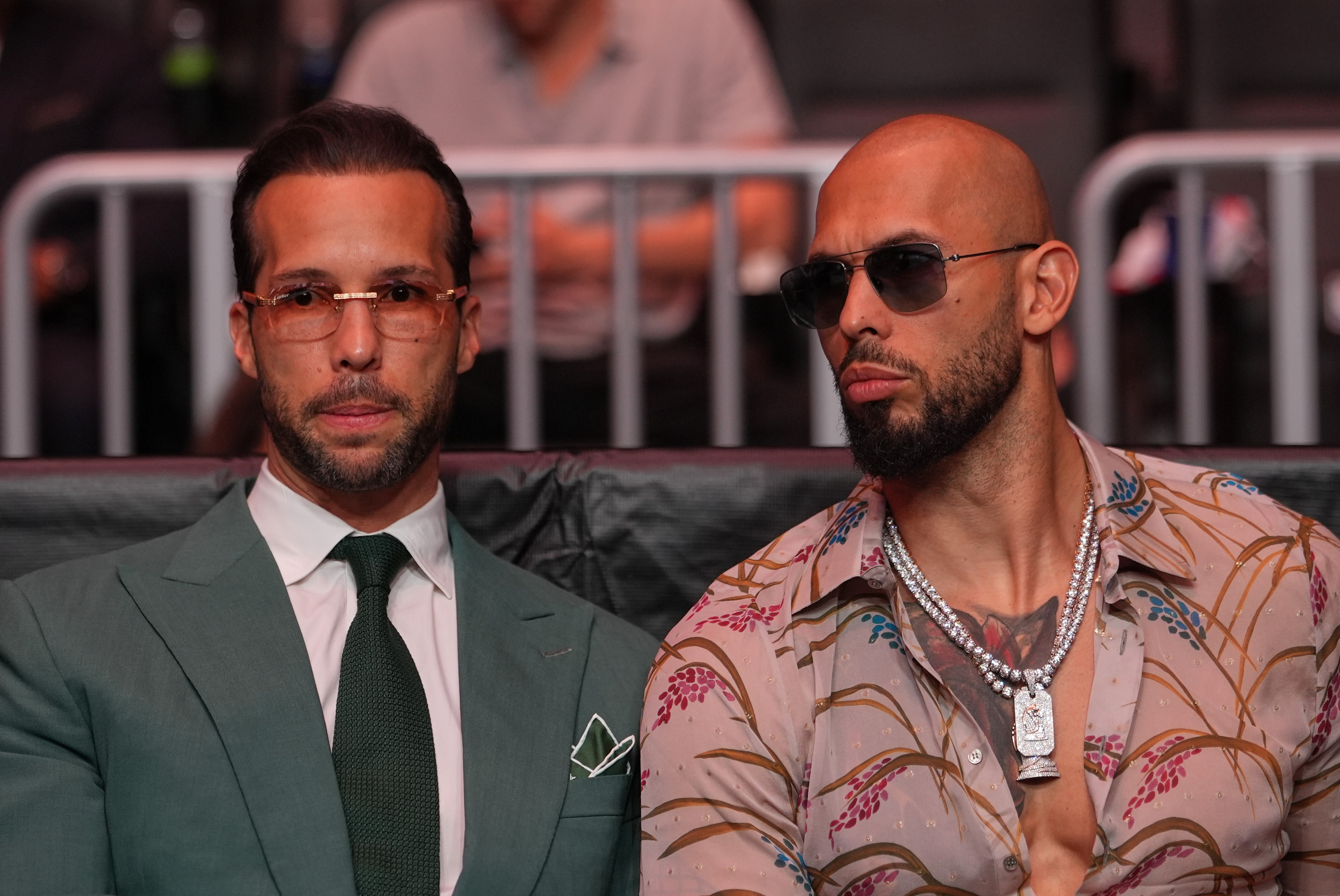
The United Kingdom has requested the extradition of "redpill" movement influencers Andrew and Tristan Tate, who were arrested in Miami, USA, on Saturday, June 18th. They appeared before a federal judge on Monday, June 20th, and were ordered to remain in detention. The arrest was made at the request of the British Crown Prosecution Service (CPS) to the United States. The Tate brothers, who hold dual British and American citizenship, have been residing in Romania since accusations against them first surfaced.
According to USA Today, the extradition process will ultimately fall to the U.S. Secretary of State, Marco Rubio, after all appeals are exhausted. Andrew Tate's lawyer, Joseph McBride, has called the accusations "defamatory" and stated his intention to contest the extradition request. British authorities have brought 38 new charges against the brothers, including rape, assault, and human trafficking, after identifying four additional victims. These new charges are in addition to existing allegations in the UK concerning alleged crimes committed between July 2010 and August 2017. Andrew Tate, a former kickboxing champion, faces charges of rape and human trafficking, while he and his brother Tristan were previously arrested in Romania in December 2022 on suspicion of involvement in a sex trafficking ring, though that case did not proceed due to legal irregularities. The brothers, known for promoting hypermasculinity and a luxurious lifestyle to millions of followers, particularly young men, have denied all accusations.
The extradition request by the UK against Andrew and Tristan Tate highlights the increasing global reach of digital influence and the challenges of cross-border legal enforcement for alleged offenses. The process underscores the complex interplay between national jurisdictions, international cooperation, and the U.S. State Department's role in such matters. As the Tate brothers' digital platforms have cultivated a significant following, particularly among young men, their legal entanglements raise questions about the societal impact of online content and the responsibility of platforms to moderate potentially harmful ideologies. The ongoing legal battles, spanning multiple countries and involving serious allegations, suggest a critical juncture in how societies address the influence of digital personalities and the enforcement of laws against alleged transnational criminal activities in the digital age.
AI-generated to prompt reflection — not editorial opinion, not advice, not a statement of fact. How this works.