UK to Ban High-Caffeine Drinks for Under-16s, Following Social Media Restrictions
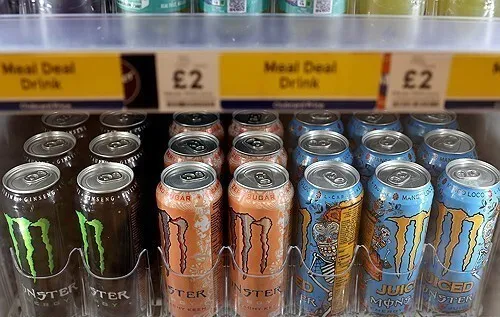
The United Kingdom is set to implement a ban on the sale of high-caffeine energy drinks to individuals under the age of 16. This new regulation follows recent restrictions placed on social media platforms. The government aims to protect young people from the potential negative health effects associated with excessive caffeine consumption. Specific details regarding the threshold for 'high-caffeine' content and the enforcement mechanisms are expected to be released. This measure reflects a growing concern among public health officials about the impact of certain products and online platforms on adolescent well-being. The ban is anticipated to affect retailers nationwide, requiring them to implement new age verification processes for these beverages. Further discussions are likely to occur regarding the scope and exact implementation timeline of the ban.
The UK's proposed ban on high-caffeine drinks for minors, mirroring social media restrictions, signals a proactive governmental approach to safeguarding adolescent health in an era of pervasive digital and consumer influences. This policy addresses the potential for overconsumption of stimulants and the impact of unregulated product marketing on developing minds. By intervening, the government seeks to mitigate long-term public health challenges, such as increased anxiety, sleep disturbances, and potential dependencies. The effectiveness of this ban will hinge on clear definitions of 'high-caffeine,' robust enforcement, and public awareness campaigns. It also raises questions about the broader regulatory landscape for products marketed towards youth and the evolving responsibilities of retailers and manufacturers in protecting vulnerable populations from potentially harmful substances and digital environments.
AI-generated to prompt reflection — not editorial opinion, not advice, not a statement of fact. How this works.