UK Tribunal Rules Forcing Remote Worker With Anxiety to Turn On Camera Was Discrimination
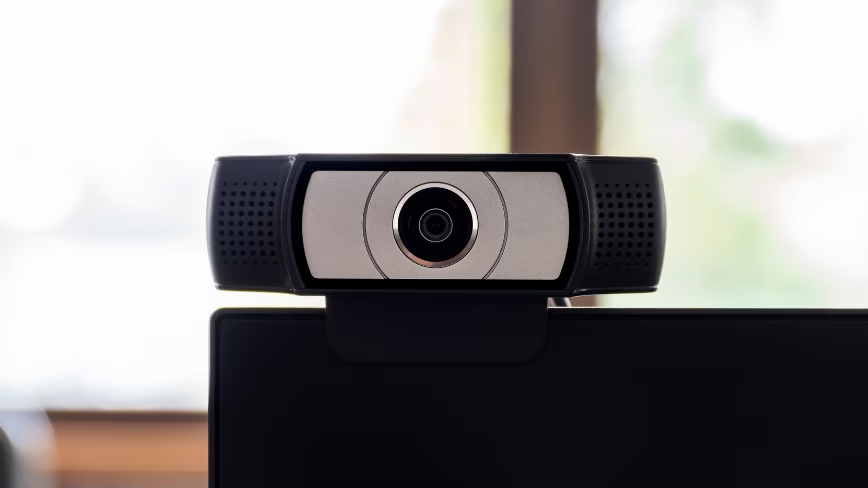
A UK employment tribunal has ruled in favor of a remote worker who experienced disability discrimination after her employer insisted she turn on her camera during a video training session. Laura Tait, who works from home as a travel consultant for Holiday Extras, has been awarded compensation. The tribunal found that the company failed to make reasonable adjustments for Tait's conditions, which include anxiety, ADHD, and autism. Forcing her to activate her camera during the training session was deemed a discriminatory act. This decision highlights the importance of employers accommodating the needs of employees with disabilities, especially in remote work environments. The ruling suggests that mandatory camera use, without consideration for individual circumstances, can lead to legal challenges. The case underscores the evolving understanding of workplace accommodations in the digital age.
This ruling emphasizes the critical need for employers to implement flexible policies regarding remote work technologies, particularly video conferencing. The tribunal's decision suggests that a one-size-fits-all approach to camera usage can inadvertently create barriers for employees with neurodevelopmental conditions or anxiety disorders. Future considerations for organizations should include developing clear protocols for when camera use is essential versus optional, and establishing a robust process for requesting and granting reasonable accommodations. This case may prompt a broader review of digital workplace etiquette and the balance between perceived productivity benefits of visible engagement and the legal and ethical obligations to support employee well-being and inclusion, especially as remote and hybrid work models become more entrenched.
AI-generated to prompt reflection — not editorial opinion, not advice, not a statement of fact. How this works.