Ukraine Air Defenses Neutralize 163 Russian Drones
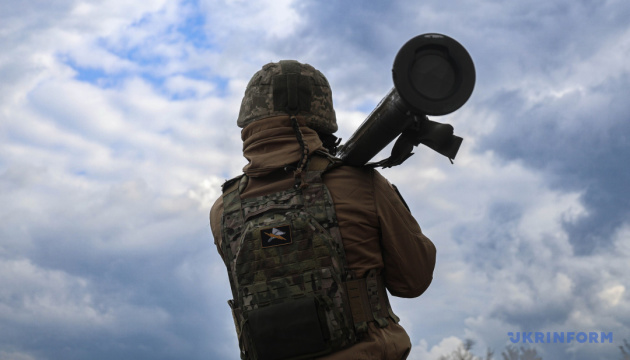
Ukraine's air defense forces successfully neutralized 163 drones that Russia launched in attacks beginning on the evening of August 2nd. The drones were part of a large-scale assault by Russian forces targeting Ukrainian territory. The successful interception highlights the ongoing efforts by Ukraine to defend its airspace against aerial threats. This action comes amidst the broader conflict between Russia and Ukraine, which has seen continuous aerial bombardments and defensive maneuvers. The specific number of drones neutralized indicates a significant defensive operation by Ukrainian forces. The attacks reportedly commenced on the evening of August 2nd, and the defense forces worked through the night and into the following period to counter them. This event underscores the persistent challenges Ukraine faces in protecting its infrastructure and population from Russian military actions. The successful neutralization of such a large number of drones is a testament to the capabilities of Ukraine's air defense systems.
The reported neutralization of 163 drones by Ukrainian air defenses represents a significant defensive expenditure and operational success. From a strategic perspective, such large-scale drone deployment by Russia suggests an intent to overwhelm air defense capabilities and potentially degrade Ukrainian infrastructure or morale. Ukraine's ability to intercept a substantial portion of these drones indicates resilient defense systems and effective operational command. The ongoing use of drones by Russia, despite high attrition rates, points to their perceived tactical value in reconnaissance, harassment, or strike missions. For Ukraine, maintaining and enhancing air defense capacity remains a critical imperative, requiring sustained international support and technological advancement to counter evolving threats in the coming decade. The economic and logistical implications of both deploying and defending against such drone swarms are substantial for all parties involved.
AI-generated to prompt reflection — not editorial opinion, not advice, not a statement of fact. How this works.
