Ukraine and 9 European nations form coalition against ballistic missiles
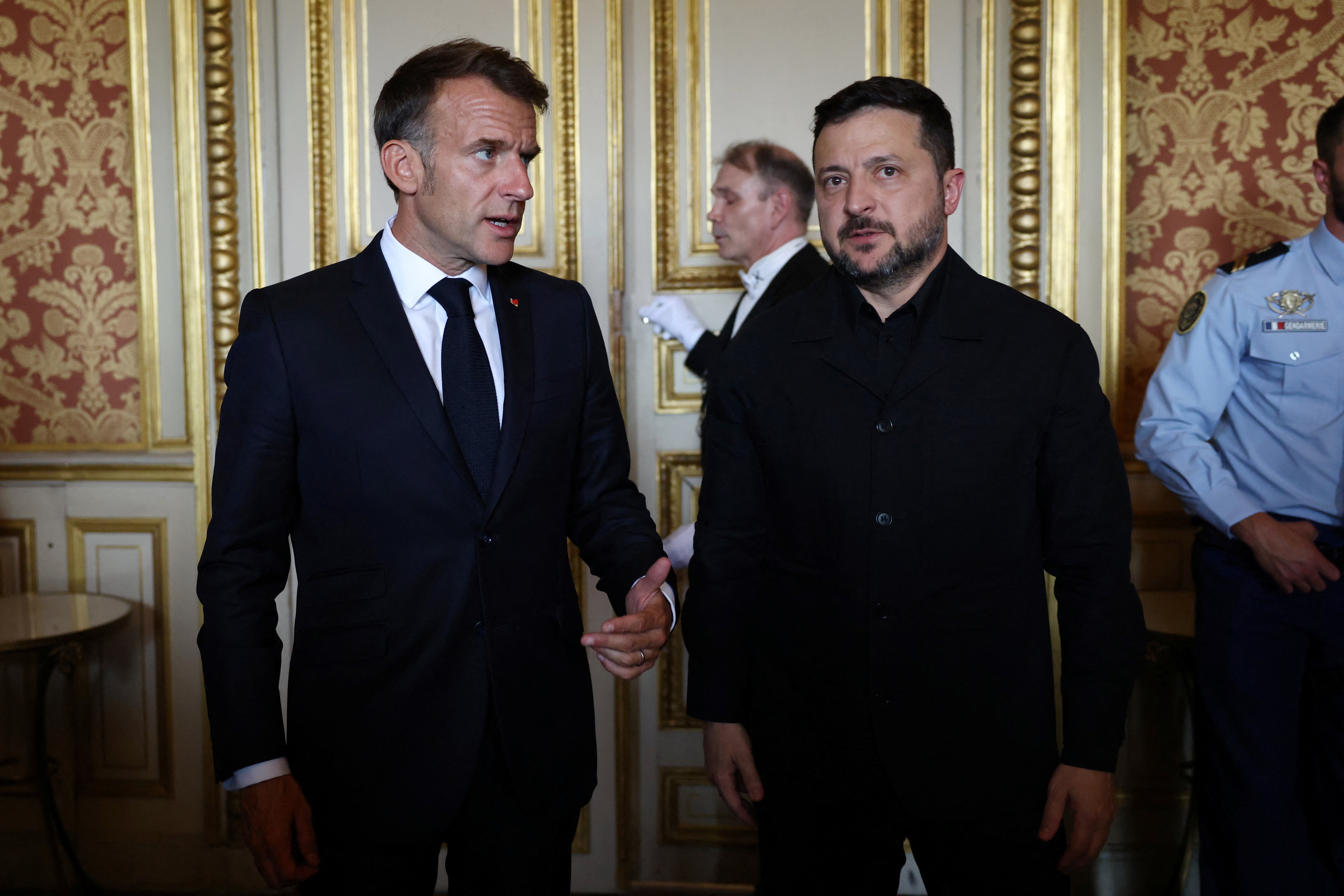
Ukraine, alongside Denmark, France, Germany, Italy, the Netherlands, Norway, Spain, Sweden, and the United Kingdom, has announced the formation of a coalition aimed at establishing a shared defense capability against ballistic missiles for Europe. This initiative comes as Ukraine's territory has been subjected to numerous Russian attacks, resulting in significant casualties over the past two weeks. The coalition's statement emphasizes the need for an integrated missile defense architecture to deter and neutralize future missile threats, acknowledging Ukraine's unique experience in defending against Russian aggression. Ballistic missiles are noted as being more challenging to intercept than cruise missiles or drones. The coalition's announcement did not provide a timeline for the defense system's development and remains open to additional member states. Ukraine is facing a critical shortage of interceptors, which prevented the downing of all 23 Russian ballistic missiles launched on March 6. Separately, the United States has indicated its intention to grant Ukraine a license to independently produce Patriot air defense missiles, crucial for countering ballistic threats. However, experts estimate this process could take several years. Meanwhile, Russian President Vladimir Putin has vowed strong retaliation against Ukraine's recent long-range attacks on Russian fuel infrastructure, stating that Russia's response will be significantly more powerful.
This coalition highlights a growing European security imperative to address the escalating threat of ballistic missile attacks, particularly in the context of the ongoing conflict in Ukraine. The initiative underscores a strategic shift towards integrated, multinational defense solutions, acknowledging the limitations of individual national capabilities against advanced missile technologies. By leveraging Ukraine's battlefield experience, the coalition aims to accelerate the development of a more robust and comprehensive European air and missile defense system. However, the practical realization of such a system faces significant challenges, including technological development timelines, interoperability issues among diverse national assets, and the substantial financial investment required. The commitment to independent production of key interceptor systems, while strategically important for long-term resilience, is a multi-year endeavor that may not immediately address current defensive gaps. The geopolitical implications of this coalition, especially concerning Russia's reaction and potential escalation, will be a critical factor in its long-term success and the broader European security landscape.
AI-generated to prompt reflection — not editorial opinion, not advice, not a statement of fact. How this works.