Ukraine and Iran ministers discuss ship attack amid rising tensions
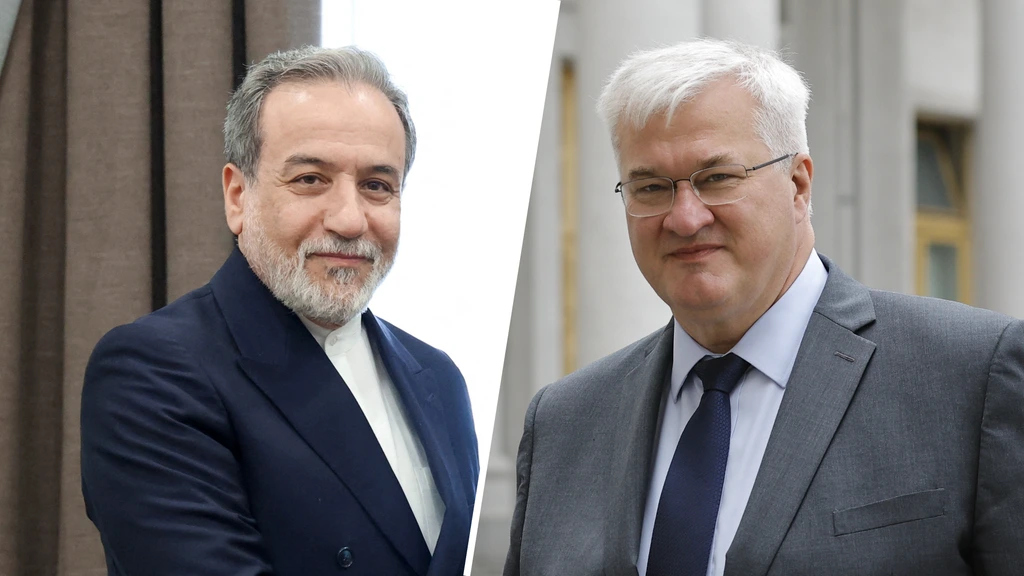
The foreign ministers of Ukraine and Iran held a phone conversation on Saturday evening following a period of heightened tension between the two nations. The discussion came after Ukraine attacked an Iranian ship in the Caspian Sea, an incident that Iran claims resulted in one crew member's death and several injuries. Ukraine's Foreign Minister Dmytro Kuleba described the call with his Iranian counterpart as "frank." He reiterated that Ukraine's actions are solely defensive against Russian aggression and not intended to target civilian vessels or individuals. The Iranian Foreign Minister, Mohammad Javad Zarif, stated that Kuleba assured him the attack was unintentional and that Ukraine does not seek escalation, a sentiment Zarif echoed for Iran. However, Zarif also demanded compensation for Iran's losses, a point not mentioned by Kuleba.
Ukraine's perspective is that the attack targeted a Russian vessel and ships carrying Iranian military equipment. Iran is a Russian ally, having supplied Shahed drones early in the war, which Russia has since used against Ukraine and is now producing domestically. Military transit between Russia and Iran partially occurs via the Caspian Sea. Iran, however, maintained the vessel was a commercial freighter. Zarif had previously condemned the attack, calling Ukrainian President Zelensky "the profiteer in Kyiv" and accusing Ukraine of violating the UN Charter at Israel's behest to draw Europe into war. Ukraine had previously supported US strikes against Iran. Iran's ministry had warned of retaliation and "unforeseen consequences." Kuleba dismissed Iran's claims as "Iranian lies" and stated that the Tehran regime is complicit in Russian aggression. He urged Iran to cease escalating measures and its support for Russia's war in Ukraine, holding Russia responsible for all provocations and casualties.
This diplomatic exchange highlights the complex geopolitical entanglements arising from the conflict in Ukraine. The incident underscores how regional security dynamics, particularly concerning military supply chains and alliances, can intersect with broader international conflicts. Ukraine's defensive posture is framed against its ongoing struggle with Russian aggression, while Iran's response reflects its strategic alignment with Russia and potential concerns over maritime security in the Caspian Sea. The differing narratives and demands for compensation reveal underlying trust deficits and the challenges of de-escalation when state interests are perceived to be threatened. Future developments may depend on the effectiveness of diplomatic channels in managing these intersecting security concerns and the broader implications for regional stability and the flow of military materiel.
AI-generated to prompt reflection — not editorial opinion, not advice, not a statement of fact. How this works.