Ukraine at UN: Russia Targets Grain Exports and Civilian Shipping in Black Sea
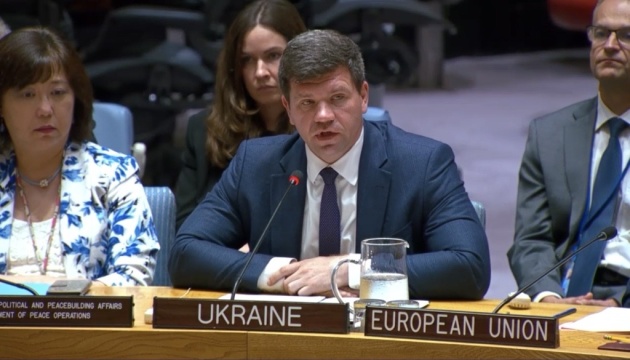
Ukraine has accused Russia of deliberately targeting its grain exports and civilian shipping routes in the Black Sea. This campaign, according to Ukraine, aims to block maritime trade and poses a significant threat to global food security. The actions are seen as a concerted effort to disrupt Ukraine's agricultural exports, a critical component of the world's food supply. Russia's alleged blockade tactics are exacerbating existing challenges in international trade and potentially leading to increased food prices worldwide. The Ukrainian delegation raised these concerns at the United Nations, highlighting the severe implications for nations reliant on imported grain. The ongoing conflict continues to impact vital global supply chains, with particular concern for the accessibility and affordability of food in vulnerable regions. This situation underscores the broader geopolitical implications of the conflict on international markets and humanitarian efforts.
Russia's alleged actions in the Black Sea present a complex geopolitical challenge with significant ramifications for global food security. By potentially disrupting grain exports and civilian shipping, Russia may be leveraging its military position to influence international markets and exert pressure. This strategy could be interpreted as an attempt to control key trade routes and impact global commodity prices, thereby affecting food-dependent nations. The long-term consequences for international trade agreements and the stability of global supply chains warrant careful consideration. Examining the incentive structures driving these actions, particularly in the context of ongoing geopolitical tensions, can illuminate potential future scenarios and the need for robust international mechanisms to ensure the unimpeded flow of essential goods.
AI-generated to prompt reflection — not editorial opinion, not advice, not a statement of fact. How this works.