Ukraine attacks Crimea after Zelensky and Putin speak with Trump
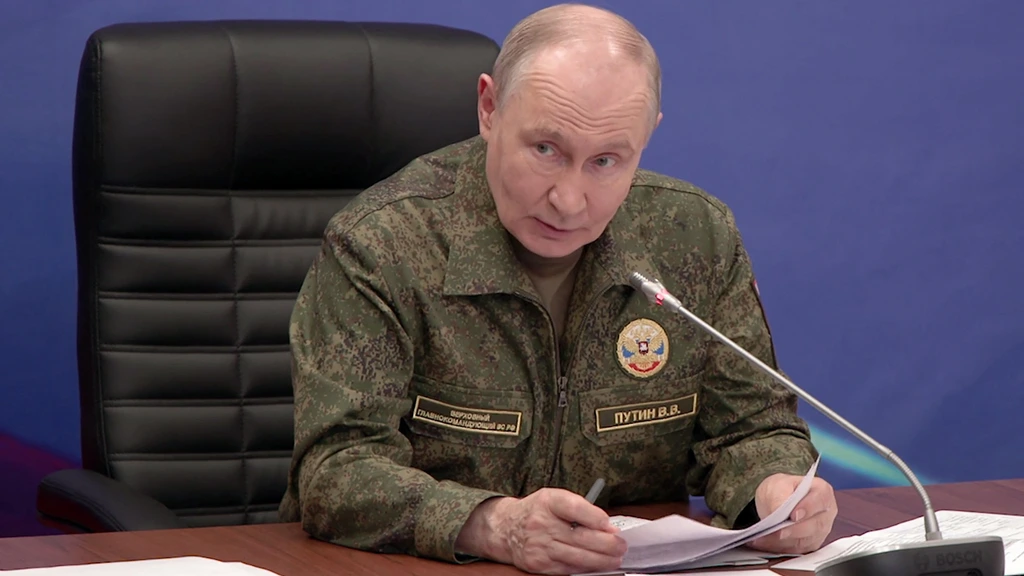
Russian authorities in Crimea reported that Ukrainian attacks resulted in one fatality and two injuries, though details on the victims and the precise location remain undisclosed. Ukraine has intensified its strikes on critical infrastructure in Crimea in recent weeks. Russia has occupied the peninsula since 2014, and Ukraine is actively working to sever connections between Crimea and Russia, as well as other Russian-occupied Ukrainian territories. These attacks occurred shortly after separate phone calls between U.S. President Trump and Ukrainian President Zelensky, and Russian President Putin. The calls, ostensibly prompted by the celebration of the 250th anniversary of American independence, primarily focused on the ongoing war between Russia and Ukraine. President Zelensky expressed optimism about the potential end of the conflict, emphasizing the critical role of American resolve. He indicated that further discussions with Trump on this matter would take place at a NATO summit in Turkey this week, and he conveyed gratitude for U.S. support of Ukraine's independence. The Kremlin described President Putin's conversation with Trump as "constructive," lasting approximately ninety minutes, during which Trump reportedly reiterated his offer of mediation, with special envoys Steve Witkoff and Jared Kushner prepared to travel to Moscow. No official statements regarding these calls have been released by the U.S.
The reported Ukrainian strikes on Crimea, occurring in proximity to high-level diplomatic communications involving U.S. and Russian leadership, highlight the complex geopolitical dynamics at play. The timing suggests a potential interplay between battlefield developments and diplomatic signaling, where military actions may be intended to influence negotiation leverage or demonstrate resolve. The U.S. administration's public silence on these specific calls, while potentially a strategic choice to avoid exacerbating tensions, leaves room for interpretation regarding its precise role and influence in de-escalation efforts. Future developments will likely be shaped by the ongoing strategic calculus of all parties involved, balancing military objectives with the pursuit of diplomatic resolutions in a highly volatile regional context.
AI-generated to prompt reflection — not editorial opinion, not advice, not a statement of fact. How this works.