Ukraine Claims Drone Strikes on Two Russian Oil Tankers in Black Sea
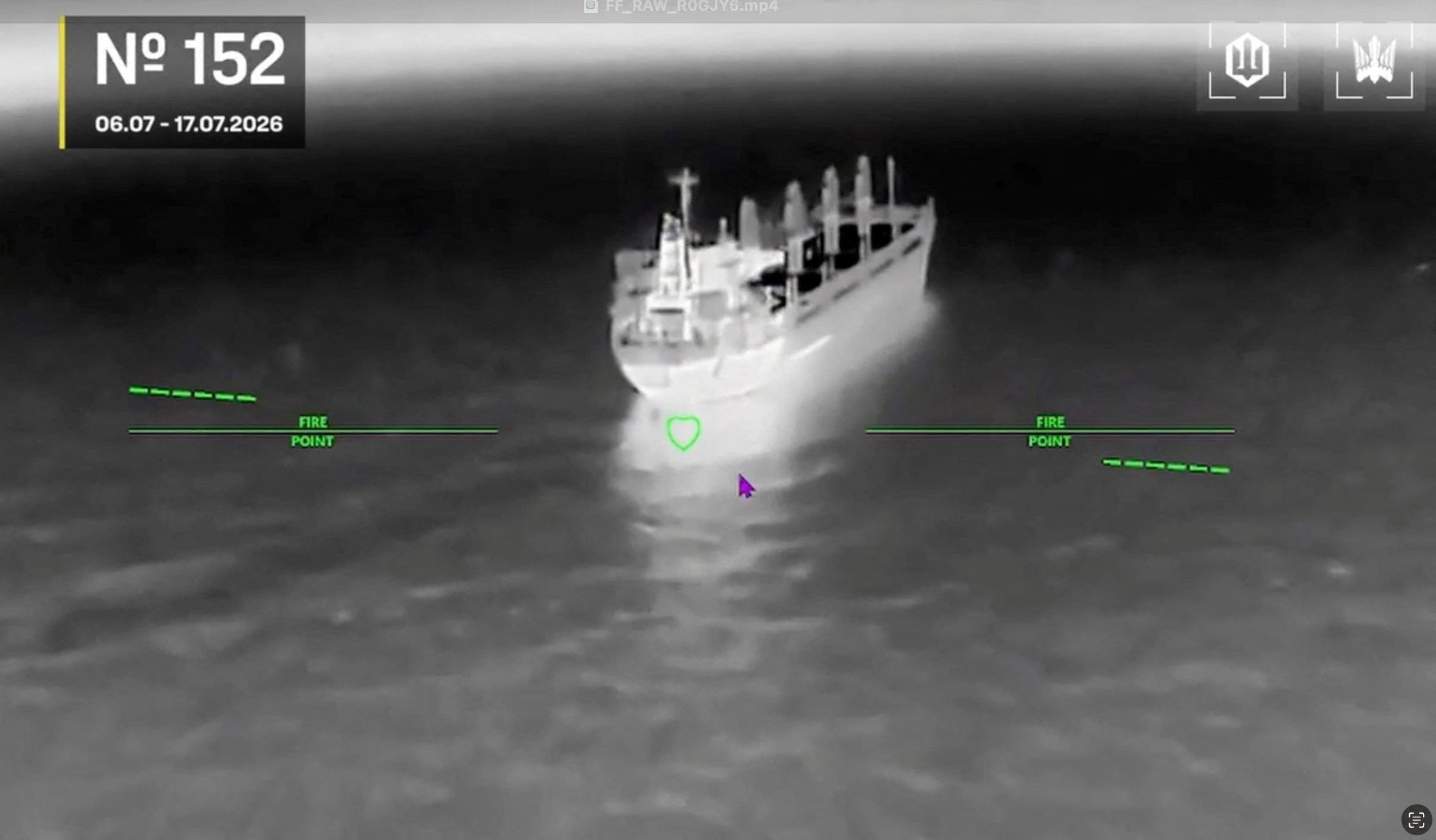
Ukrainian forces reported striking two Russian oil tankers in the Black Sea during a nighttime attack early Sunday, July 19. The Ukrainian military command stated that its drones also hit a floating crane in the Sea of Azov. According to a statement from the General Staff, all three targets were allegedly being used to support Russia's war efforts in Ukraine. These strikes followed a significant escalation in hostilities between the two nations. Earlier, Russia launched a barrage of ballistic missiles targeting Ukraine's capital, Kyiv, resulting in at least one fatality and injuring 13 others. Ukraine's Air Force reported intercepting 18 out of 41 ballistic missiles launched by Russia. Ukraine's interim Minister of Foreign Affairs, Andrii Sybiha, described this as the largest deployment of ballistic missiles by Moscow in a single attack since the war began. Sybiha characterized the attack on Kyiv as a brutal terrorist act and called for strong responses and devastating pressure on Moscow to end the violence.
This event highlights the escalating asymmetric warfare tactics employed by both Ukraine and Russia. Ukraine's reported drone strikes on Russian maritime assets, including oil tankers, suggest a strategic effort to disrupt Russian logistics and economic capabilities supporting the conflict. This action, occurring in the Black Sea and Sea of Azov, aims to impose costs on Russia's war economy and potentially influence international maritime security perceptions. The reciprocal nature of these attacks, with Russia launching a significant ballistic missile barrage on Kyiv immediately prior, underscores a cycle of escalation. Ukraine's call for 'devastating pressure' indicates a desire for further international intervention and sanctions. The strategic implications involve the potential for broader disruption of global energy supply chains and increased risks for civilian shipping operating in contested waters, demanding careful consideration of de-escalation pathways and international legal frameworks governing wartime conduct.
AI-generated to prompt reflection — not editorial opinion, not advice, not a statement of fact. How this works.