Ukraine Claims Russia Plans Fall Mobilization of Over 500,000 Troops
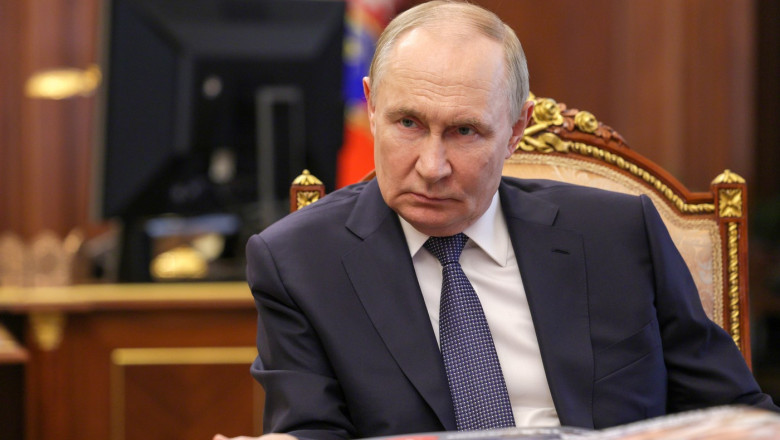
Andrii Kovalenko, head of the Ukrainian Center for Countering Disinformation within the National Security and Defense Council, has stated that Russia is preparing to mobilize over 500,000 individuals this autumn. According to information obtained by RBC Ukraine, Kovalenko indicated that some of these newly mobilized Russian citizens will be sent to the front lines in Ukraine almost immediately. This potential escalation suggests a significant increase in Russian military personnel deployed in the ongoing conflict. The announcement comes amid continued fighting and strategic maneuvering by both sides. The Ukrainian official's statement highlights concerns about Russia's sustained commitment to the war effort and its capacity for large-scale troop deployment. The implications for the battlefield are expected to be substantial, potentially leading to intensified combat operations. Ukrainian forces are bracing for what are described as extremely difficult fights ahead.
The assertion of a large-scale Russian mobilization in autumn, if accurate, indicates a strategic decision to sustain or intensify military operations in Ukraine. This move would likely be driven by the need to replenish forces, sustain offensive capabilities, or counter Ukrainian advances. The potential deployment of over 500,000 individuals suggests a long-term commitment to the conflict, with significant resource allocation. From a geopolitical perspective, such a mobilization could signal Russia's assessment of the current military situation and its strategic objectives. The Ukrainian government's public disclosure of this intelligence serves to inform its own population and international allies, potentially influencing diplomatic and military responses. The effectiveness of such a mobilization would depend on factors including training, equipment, morale, and logistical support, all of which are critical determinants of battlefield success.
AI-generated to prompt reflection — not editorial opinion, not advice, not a statement of fact. How this works.