Ukraine Claims Russia Recruits Bangladeshis for Combat Roles
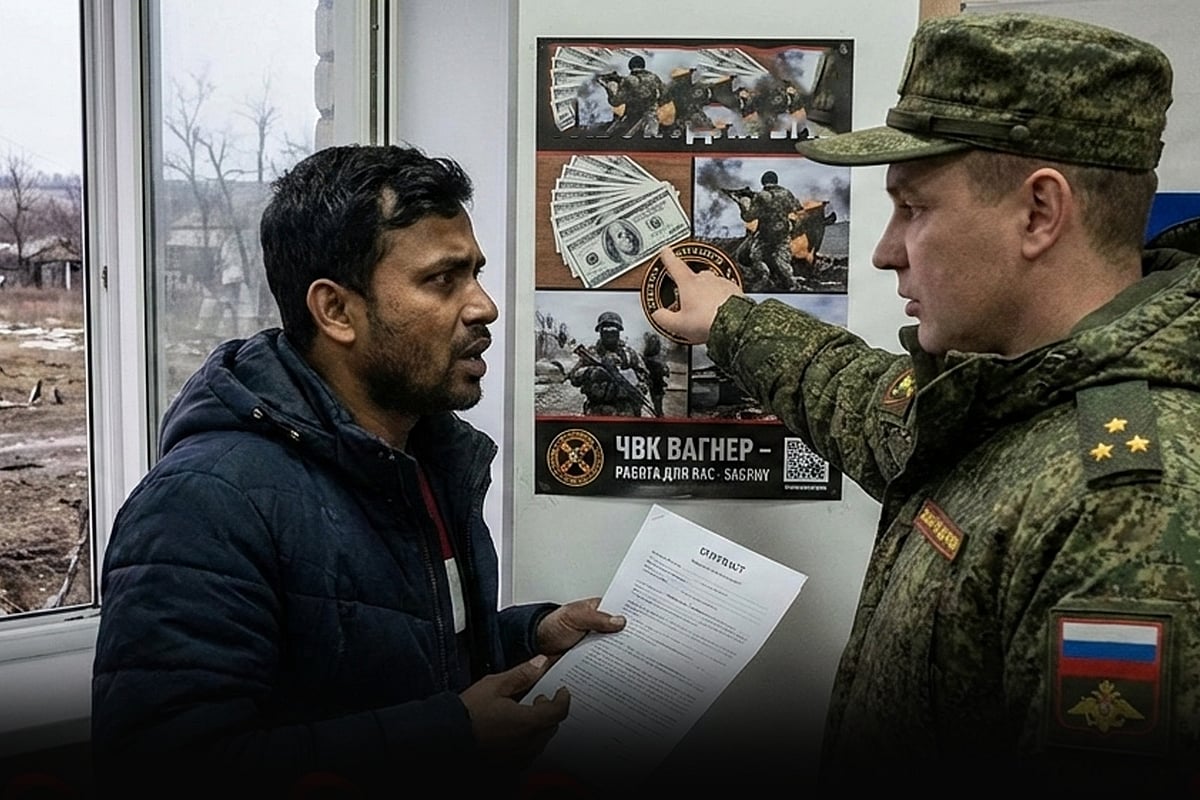
Ukraine's intelligence agency has intercepted a phone conversation indicating that Russian forces are recruiting individuals from Bangladesh for combat operations. In the intercepted call, a Russian soldier reportedly mentioned encountering two 'foreign mercenaries' from Bangladesh who had become lost on the battlefield near Kharkiv. The Ukrainian Directorate of Intelligence of the Ministry of Defence released this information, stating that the Russian soldier was unaware of the Bangladeshi mercenaries' call signs or precise locations. The soldier did, however, learn their names were 'Robi' and 'Moisel'. He also noted that these mercenaries showed him a symbol featuring a tiger's face with the inscription 'Sixth Assault' (Brigade). Ukraine's intelligence service alleges that senior Russian military officials are ruthlessly sending foreign mercenaries to their deaths, just as they do their own soldiers. Viktor Trehubov, a spokesperson for a Ukrainian military unit operating in the Kharkiv region, stated in March that the number of foreign mercenaries fighting with Russian forces in Kharkiv was significantly higher than in other areas. Reports suggest that Russia is compelling young Bangladeshis to fight in Ukraine by promising them employment opportunities.
The reported recruitment of foreign nationals, specifically from Bangladesh, by Russian forces in the Ukraine conflict raises significant geopolitical and ethical considerations. Such actions, if confirmed, could imply a strain on Russia's domestic recruitment capabilities and a willingness to leverage international labor markets for military objectives. This practice also highlights the complex motivations and potential vulnerabilities of individuals seeking employment abroad, particularly in high-risk environments. From a systemic perspective, the involvement of foreign fighters can complicate international law and accountability frameworks. Future scrutiny should focus on the transparency of recruitment processes, the adherence to international humanitarian law by all parties, and the long-term implications for the individuals involved and their home countries.
AI-generated to prompt reflection — not editorial opinion, not advice, not a statement of fact. How this works.