Ukraine Concerned Over New Russia-North Korea Bridge Amid Military Aid Fears
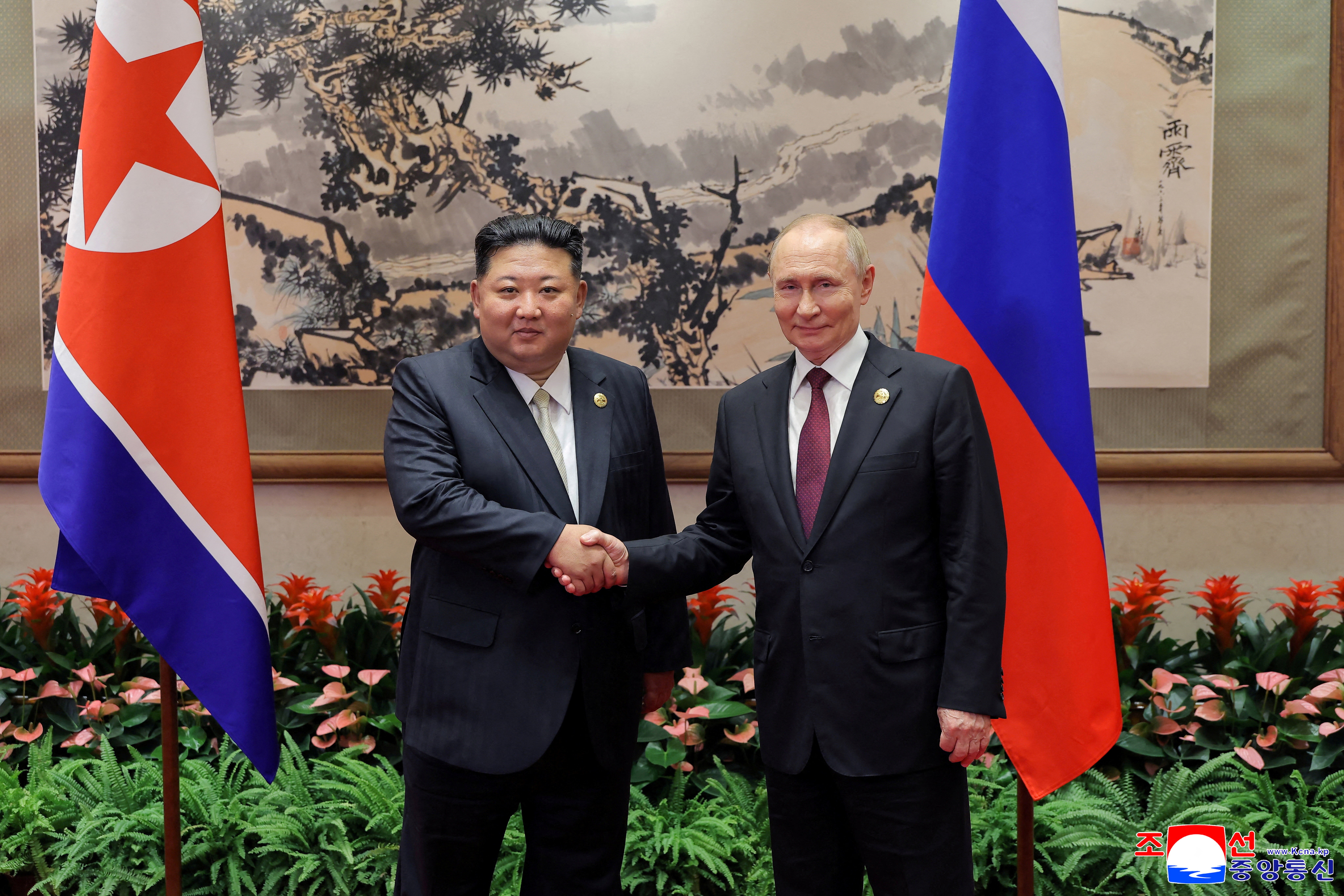
Ukraine is expressing significant concern over the rapid construction of the first road bridge connecting Russia and North Korea. While Moscow and Pyongyang tout the project as a means to boost trade and tourism, Ukrainian officials and analysts fear it will facilitate the transfer of military equipment, troops, and supplies to support Russia's war effort. The bridge spans the Tumen River, linking Khasan in Russia to Tumangang in North Korea, and is situated near the existing Friendship Bridge, a railway connection established in 1959. Satellite imagery indicates the main structure is complete, with North Korea having finished its border facilities and Russia finalizing supporting infrastructure like customs checkpoints. Originally slated for a June 19 inauguration, the ceremony was postponed due to Russian delays, and a new date has not been announced. Ukrainian worries have intensified following a Truth Hounds investigation suggesting the bridge's strategic value for commerce is limited, but its potential as a military logistics corridor is high, as road transport is harder to monitor than rail. This concern is amplified by Ukrainian President Volodymyr Zelensky's statements about Russia potentially receiving tens of thousands of North Korean soldiers. Ukraine, South Korea, and Western governments have previously reported North Korea sending soldiers and weaponry to Russia. Russia denies these suspicions, asserting the bridge's economic purpose and citing improved bilateral logistics. However, analysts question this, noting that official bilateral trade was only $34 million in 2024, a sum insufficient to justify a project reportedly costing over $100 million, and that North Korea's international tourism remains highly restricted. The bridge's construction was agreed upon during Russian President Vladimir Putin's 2024 visit to Pyongyang, amidst a deepening strategic partnership that Ukraine and its Western allies view as a factor prolonging the conflict.
The development of a new road bridge between Russia and North Korea, framed by the involved nations as an economic initiative, is viewed with strategic apprehension by Ukraine. This concern stems from the potential for the infrastructure to serve as a clandestine military logistics route, circumventing international monitoring more effectively than existing rail links. The strategic implications are amplified by ongoing geopolitical tensions and documented instances of military cooperation between Russia and North Korea, suggesting that economic justifications may mask or facilitate military objectives. The relatively low official trade figures between the two nations further challenge the stated economic rationale for such a significant infrastructure investment. This situation highlights a systemic challenge in international relations where dual-use infrastructure can be leveraged for non-transparent military purposes, potentially destabilizing regional security and prolonging conflicts. Future scrutiny should focus on the transparency of cross-border movements and the effectiveness of international oversight mechanisms in detecting and mitigating such strategic reorientations of trade infrastructure.
AI-generated to prompt reflection — not editorial opinion, not advice, not a statement of fact. How this works.