Ukraine Considers New Role for Tech Minister Fedorov, Potential Military Leadership Change
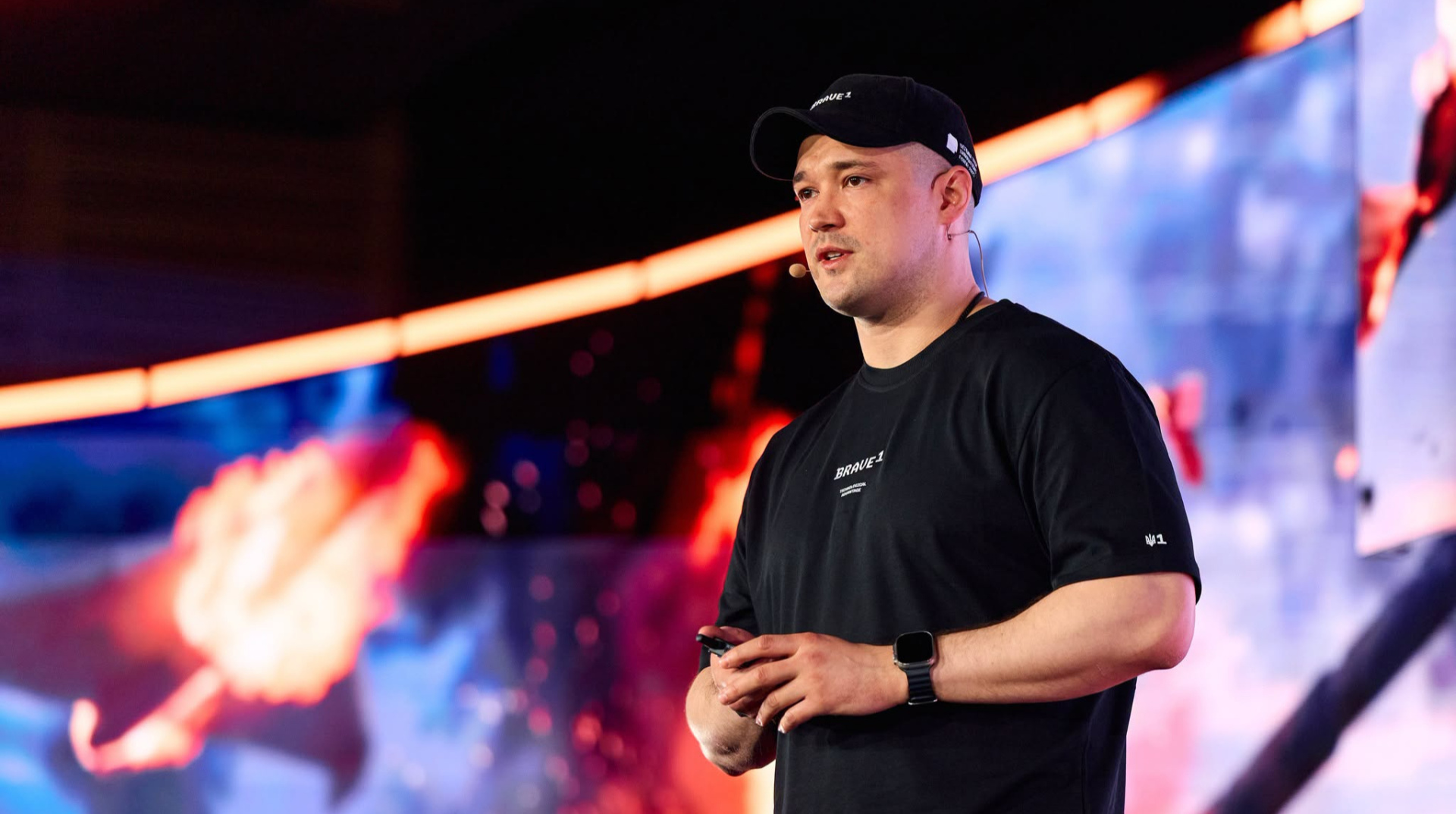
Ukrainian authorities are reportedly considering a new strategic role for Mykhailo Fedorov, the current Minister of Digital Transformation. The proposal envisions Fedorov taking on the responsibility of a "miltech czar," focusing on the advancement of military technologies and armaments. This potential shift comes amid discussions about broader changes within Ukraine's military leadership, with reports suggesting that Commander-in-Chief Oleksandr Syrskyi might be replaced. The "miltech czar" position would likely involve overseeing and accelerating the development and integration of cutting-edge technologies into Ukraine's defense capabilities. This move indicates a strategic emphasis on leveraging technological innovation to bolster the nation's military strength. The specific details of Fedorov's potential new responsibilities and the timeline for these changes remain under discussion within the presidential administration. The consideration of a leadership change for Syrskyi also points to a potential reassessment of the military's top command structure.
The potential restructuring of key ministerial roles and military leadership in Ukraine reflects a strategic pivot towards enhancing defense capabilities through technological integration. Assigning a "miltech czar" role to the Minister of Digital Transformation suggests a recognition of the critical importance of innovation in modern warfare. This approach could streamline decision-making and resource allocation for defense technology development, potentially accelerating the adoption of advanced solutions. However, such shifts also necessitate careful consideration of inter-agency coordination and the potential impact on existing command structures. The effectiveness of this strategy will depend on clear objectives, robust implementation mechanisms, and the ability to foster collaboration between civilian technological expertise and military operational needs, particularly in the context of ongoing geopolitical challenges and the accelerating pace of technological change in global defense.
AI-generated to prompt reflection — not editorial opinion, not advice, not a statement of fact. How this works.