Ukraine Corruption: Scammers Exploit Charity and Foreign Aid Amidst War
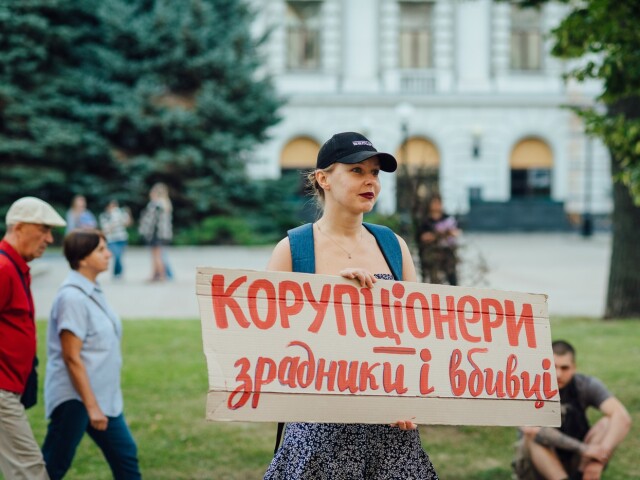
The ongoing war in Ukraine has created fertile ground for corruption, with fraudsters exploiting humanitarian aid and disguising criminal activities as charitable efforts. Recent reports from Ukrainian media highlight instances where individuals are leveraging the crisis for personal gain. These schemes involve the misappropriation of donated resources and the deception of both the public and international donors. The urgency and scale of the aid response present challenges in oversight, making it easier for illicit actors to operate. Ukrainian authorities are reportedly investigating these cases, aiming to curb the misuse of funds intended for those affected by the conflict. The situation underscores the critical need for robust transparency and accountability mechanisms in humanitarian aid distribution, especially during times of conflict. The exploitation of charitable causes by criminals not only diverts essential resources but also erodes public trust in legitimate aid organizations. Addressing this corruption is crucial for ensuring that aid reaches its intended recipients and for maintaining international support for Ukraine.
The exploitation of humanitarian aid during conflict represents a significant governance challenge. While the war necessitates a rapid and large-scale response, the absence of stringent oversight mechanisms can inadvertently create opportunities for illicit actors. This situation highlights a systemic tension between the need for swift aid delivery and the imperative for accountability. Future efforts should focus on enhancing transparency in aid flows and implementing robust verification processes to safeguard resources. The long-term implications involve not only the direct financial losses but also the potential erosion of donor confidence, which could impact future humanitarian assistance. Addressing these vulnerabilities is essential for ensuring the integrity of aid operations and supporting Ukraine's recovery.
AI-generated to prompt reflection — not editorial opinion, not advice, not a statement of fact. How this works.