Ukraine Denies Russian Claims of Capturing Kostiantynivka
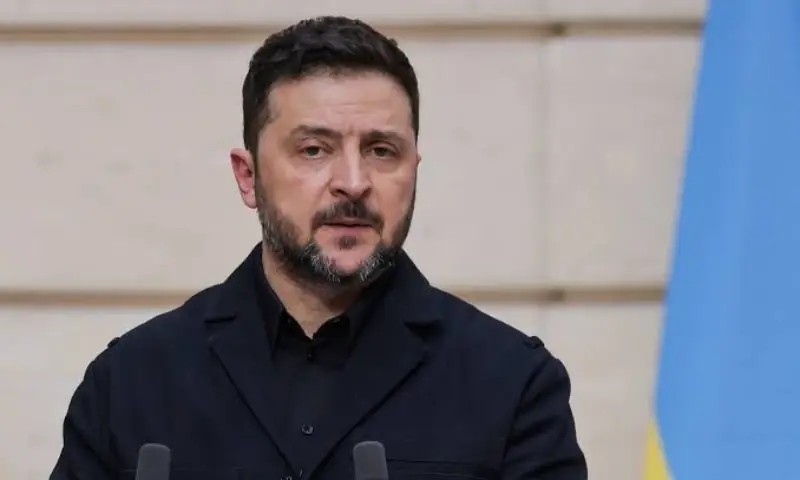
President Volodymyr Zelensky and Ukraine's General Staff have refuted Russian assertions that its forces have captured the strategically important eastern city of Kostiantynivka. Russia's Ministry of Defense had informed President Vladimir Putin on Friday that their troops had taken control of the city, a long-sought objective in their Donetsk region offensive. Zelensky dismissed the Russian claims as "another Russian lie" intended to create a false narrative. He suggested that if Kostiantynivka were indeed under Russian control, Putin would readily agree to a meeting there to pursue diplomatic solutions to the conflict. The General Staff confirmed that Ukrainian forces continue to hold defensive positions within and around the city. Kostiantynivka is a critical component of Ukraine's defense line in the heavily industrialized Donetsk region, forming the southernmost point of four key settlements. Analysts suggest that its capture would provide Russian forces a crucial staging ground for further advances northward along this defensive belt, which is currently the primary focus of Russia's campaign. Russia has previously reported controlling sections of Kostiantynivka, a city identified as part of Ukraine's fortified "fortress belt" in Donetsk.
This exchange highlights the critical role of information warfare in ongoing military conflicts. Both sides are engaged in shaping the narrative surrounding territorial control, with claims and counter-claims serving strategic objectives beyond immediate battlefield gains. The denial by Ukrainian leadership underscores the importance of maintaining morale and international support by projecting resilience. For Russia, such claims, whether substantiated or not, aim to demonstrate progress and exert psychological pressure. The strategic significance of Kostiantynivka, as described by analysts, indicates that control of this city could indeed alter the operational dynamics in the Donetsk region, potentially influencing future military planning and resource allocation for both belligerents.
AI-generated to prompt reflection — not editorial opinion, not advice, not a statement of fact. How this works.