Ukraine Drone Attacks Disrupt Russian Shipping in Sea of Azov
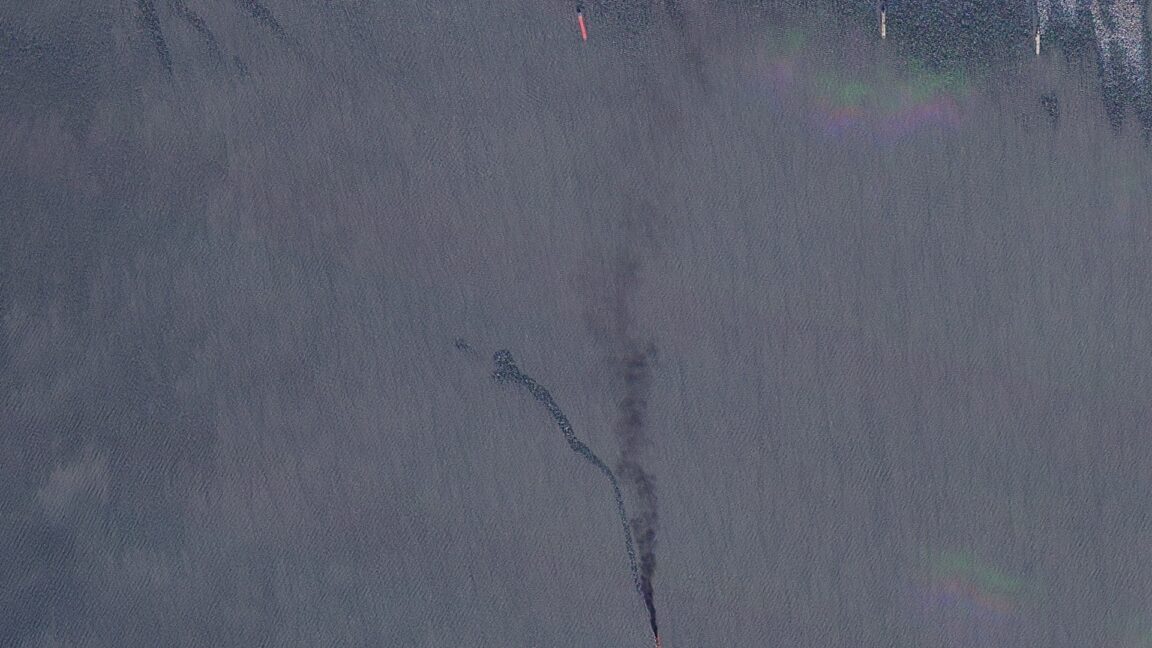
Ukraine's recent drone attacks have successfully halted Russian shipping activities in the Sea of Azov. This disruption occurred within a span of less than one week, significantly impacting Russia's maritime operations in the vital sea corridor. The effectiveness of these drone strikes highlights a shift in Ukraine's defensive capabilities and its strategy to counter Russian logistical routes. The Sea of Azov is a crucial waterway for Russia, providing access to key ports and facilitating trade and military movements. The halt in shipping suggests a considerable operational challenge for Russia, potentially affecting its supply lines and economic activities in the region. This development underscores the growing role of unmanned aerial vehicles in modern warfare and their capacity to influence strategic objectives. The situation indicates that Ukraine is leveraging innovative tactics to challenge Russian dominance in the Black Sea region. Further developments will likely focus on Russia's response to these attacks and its efforts to restore or secure its shipping lanes.
The Ukrainian drone strikes demonstrate the increasing impact of asymmetric warfare tactics on established military powers. By targeting critical logistical nodes like maritime shipping lanes, Ukraine is leveraging technological advancements to disrupt Russia's operational capacity and economic stability. This strategy forces a reassessment of security measures for maritime infrastructure, particularly in contested waters. The effectiveness of these attacks suggests that future conflicts may see a greater emphasis on drone technology and its integration into broader strategic objectives, potentially influencing global trade routes and international maritime law. Russia faces the challenge of adapting its defenses to counter these evolving threats, balancing the need for secure transit with the costs of increased security and potential escalation.
AI-generated to prompt reflection — not editorial opinion, not advice, not a statement of fact. How this works.