Ukraine Drone Attacks Kill 9, Injure Over 60 in Russia
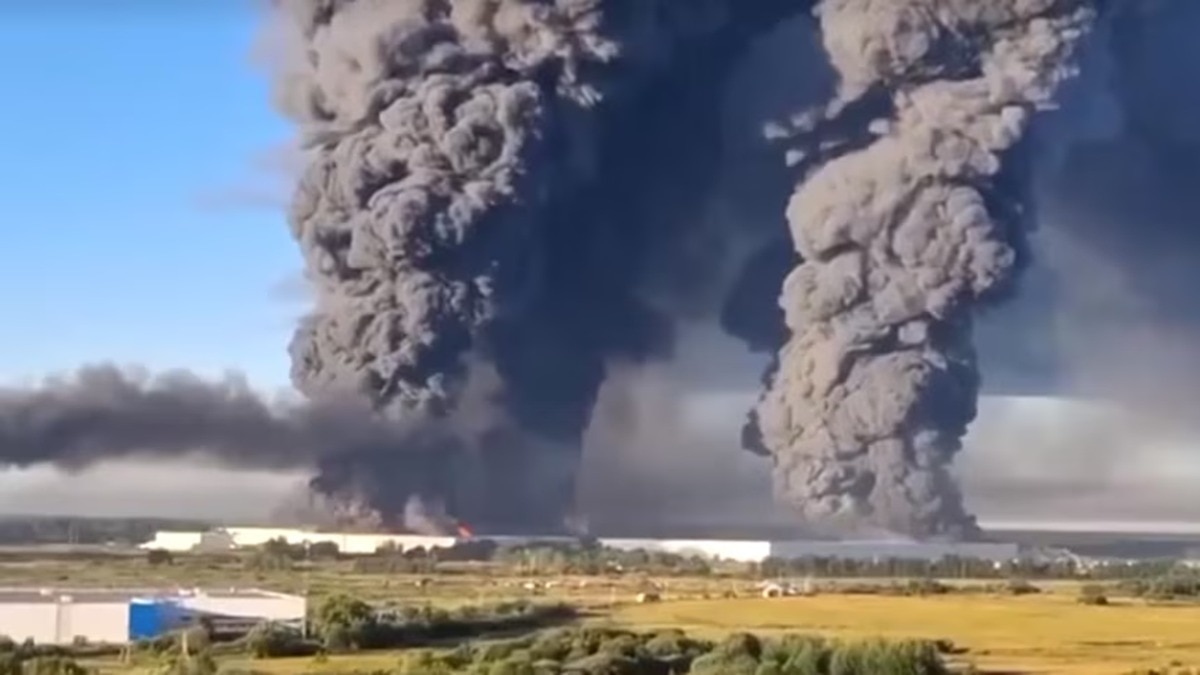
As the Russia-Ukraine war enters its fifth year, aerial attacks have intensified between the two nations. Ukraine launched large-scale drone strikes across multiple Russian cities, targeting warehouses, oil depots, and military logistics sites. These attacks resulted in significant casualties, with at least nine people confirmed dead and over 60 others injured. The intensified aerial assaults signal a strategic shift in the ongoing conflict, with both sides employing more aggressive tactics. The targeting of critical infrastructure suggests Ukraine's aim to disrupt Russian supply lines and military operations. The increased frequency and scale of these attacks underscore the escalating nature of the war and its growing impact on civilian areas within Russia. The situation remains volatile as both countries continue to engage in retaliatory measures.
The recent escalation of drone attacks by Ukraine on Russian territory, resulting in casualties and damage to infrastructure, represents a strategic maneuver to disrupt Russian logistics and military capabilities. This action, occurring as the conflict enters its fifth year, highlights the evolving nature of warfare, emphasizing the critical role of unmanned aerial systems in modern conflict. From a systemic perspective, such attacks aim to impose costs on the aggressor and influence the strategic calculus of the involved parties. The targeting of dual-use infrastructure, such as warehouses and oil depots, presents a complex challenge for international humanitarian law and raises questions about proportionality and civilian protection. Looking ahead, the increasing reliance on drone technology by both sides suggests a continued trend towards asymmetric warfare, potentially leading to further proliferation of these capabilities and a need for enhanced defensive and regulatory frameworks.
AI-generated to prompt reflection — not editorial opinion, not advice, not a statement of fact. How this works.