Ukraine drone attacks on Russian oil infrastructure disrupt Central Asian fuel supplies
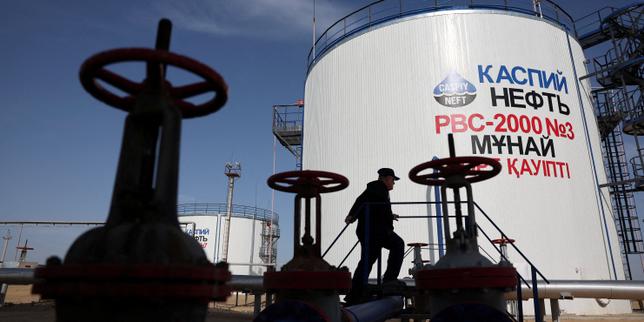
Ukrainian drone strikes targeting Russian oil infrastructure are creating significant challenges for Central Asian countries heavily reliant on Moscow's fuel exports. These attacks have disrupted the supply of petroleum products to nations in the region, forcing them to grapple with securing alternative sources. Central Asian countries are now facing difficulties in diversifying their energy imports as they depend on Russia for a substantial portion of their fuel needs. The situation highlights the fragility of the region's energy security and its vulnerability to geopolitical events impacting major suppliers. Efforts to find new supply routes and partners are underway, but the process is proving to be complex and challenging. The disruptions underscore the interconnectedness of global energy markets and the far-reaching consequences of conflicts on energy-dependent economies. This reliance on a single major supplier leaves these nations susceptible to price volatility and supply interruptions.
The drone attacks on Russian oil infrastructure, while strategically aimed at impacting Russia's war economy, have inadvertently exposed the energy security vulnerabilities of Central Asian nations. This situation underscores the systemic risk inherent in over-reliance on a single dominant energy supplier, particularly when that supplier is subject to geopolitical instability. As these Central Asian economies navigate this disruption, they face a critical juncture to accelerate diversification strategies. This necessitates not only seeking new trade partners but also potentially investing in domestic energy infrastructure and exploring renewable energy sources to build long-term resilience. The coming decade will likely see increased pressure on such nations to de-risk their energy portfolios, balancing immediate supply needs with the strategic imperative of energy independence and sustainability.
AI-generated to prompt reflection — not editorial opinion, not advice, not a statement of fact. How this works.