Ukraine Drone Strikes Trigger Fuel Crisis Across Russia
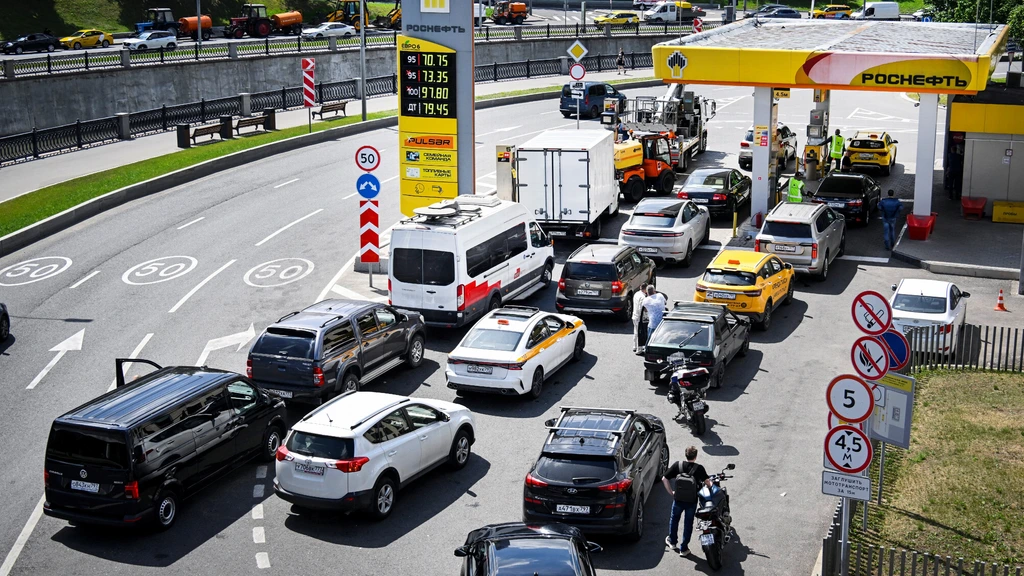
Ukraine's persistent drone attacks on Russian oil refineries have escalated into a severe fuel crisis, impacting various sectors within Russia and extending to Central Asian nations dependent on Russian oil products. Initially, fuel shortages were primarily felt in Russian provinces, but recent queues forming in the capital, Moscow, indicate the crisis has reached the heart of the country. Frustrated Muscovites have voiced their anger on social media, describing kilometer-long queues and lengthy waits at gas stations, with some expressing disbelief that such issues have reached the capital. The situation is reportedly more acute in Crimea, the Ukrainian peninsula annexed by Russia, where fuel shortages have been ongoing due to sustained bombardments, leading to a state of emergency being declared this week.
In response to the acute gasoline shortage for passenger cars, the Russian government is considering lowering quality standards to increase the availability of lower-grade 92 octane gasoline, though this may not be compatible with many modern car engines. Approximately 60,000 tons of gasoline are reportedly en route to Russia from India. Valentina Matviyenko, Chairwoman of the Federation Council, has urged Russians not to complain about the situation. The crisis is also expected to affect the supermarket sector, with suppliers warning of delivery delays due to fuel shortages impacting transport companies. The tourism industry is also facing significant disruptions, with numerous flight cancellations attributed to fuel scarcity and rising prices, forcing airlines to revise schedules. Central Asian countries, such as Tajikistan, which relies heavily on Russian fuel, are experiencing price hikes and are being advised to diversify their energy sources by engaging with other oil-producing nations.
The escalating fuel shortages in Russia, directly linked to Ukrainian drone strikes on refining infrastructure, highlight the asymmetric warfare capabilities emerging in the conflict. While Russia has historically projected energy dominance, its internal vulnerability to targeted attacks on critical infrastructure is now starkly apparent. This crisis not only exposes systemic weaknesses in Russia's energy security and logistical resilience but also demonstrates the potential for strategic disruption beyond conventional military engagements. The ripple effects on Central Asian economies underscore the interconnectedness of regional energy markets and the precariousness of over-reliance on a single supplier. Looking ahead, this situation may accelerate efforts by affected nations to diversify energy sources and bolster domestic refining capacities, while Russia faces the dual challenge of defending its infrastructure and managing domestic discontent.
AI-generated to prompt reflection — not editorial opinion, not advice, not a statement of fact. How this works.