Ukraine Employs "Strait of Hormuz" Tactic Against Russia in Sea of Azov
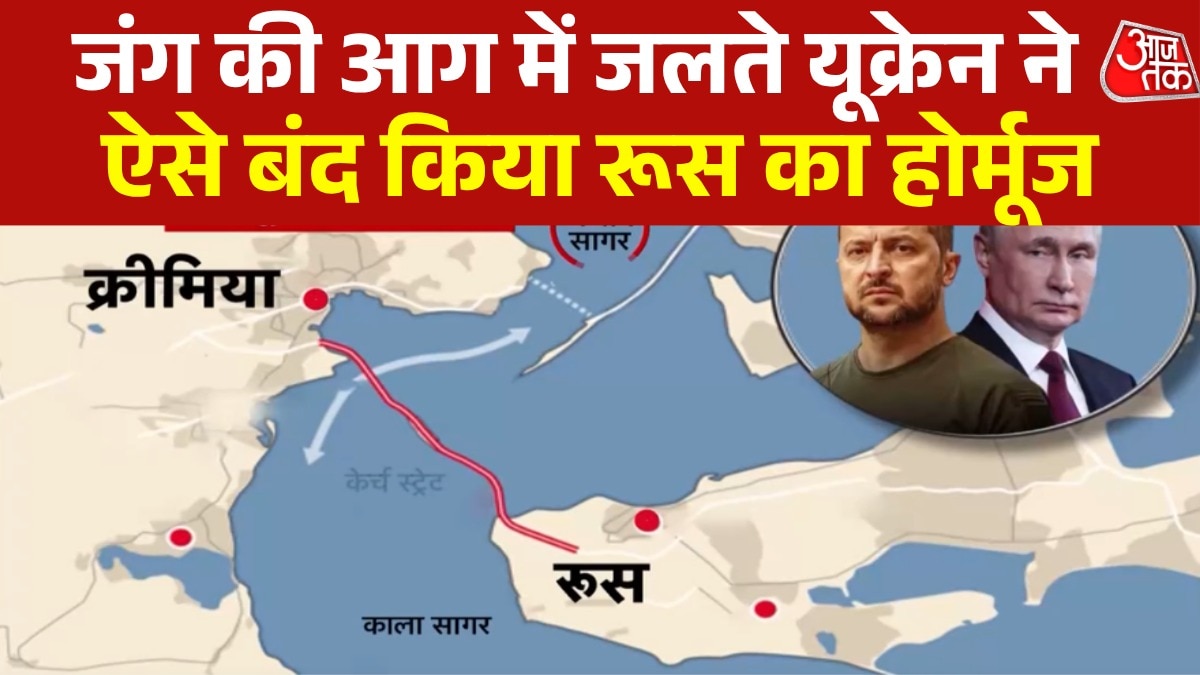
Following escalating tensions between the United States and Iran, which have led to a near-halt in oil and gas tanker traffic through the Strait of Hormuz, Ukraine has adopted a similar strategy against Russia. Ukraine is reportedly using drones to target ships in the Sea of Azov, mirroring Iran's actions in the Strait of Hormuz. These Ukrainian attacks have forced Russia to suspend its maritime traffic. The situation raises questions about whether maritime routes are becoming a soft target for conflict.
The reported Ukrainian tactic of targeting maritime traffic in the Sea of Azov, drawing a parallel to Iran's actions in the Strait of Hormuz, highlights a strategic shift towards leveraging chokepoints and logistical vulnerabilities in modern warfare. This approach, if sustained, could significantly impact global trade routes and energy security by demonstrating the asymmetric capabilities of smaller actors to disrupt major logistical arteries. The effectiveness of such tactics often depends on the broader geopolitical context and the response of major powers, potentially leading to escalations or counter-measures aimed at securing sea lanes. This development underscores the increasing importance of drone technology and cyber warfare in shaping future conflicts, where control over critical infrastructure, including maritime transit, becomes a primary objective.
AI-generated to prompt reflection — not editorial opinion, not advice, not a statement of fact. How this works.