Ukraine Expands Interceptor Drone Crews to Counter Russian UAVs
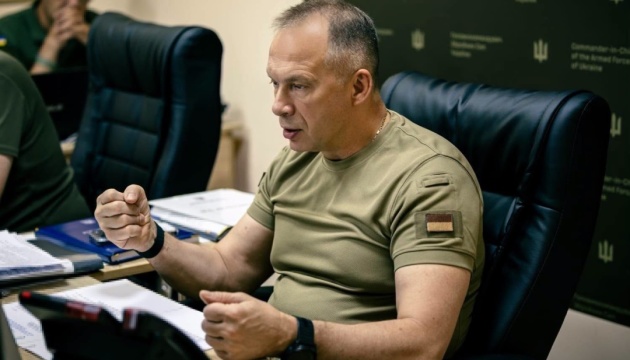
Ukraine's defense forces are enhancing their capabilities to counter Russian strike drones, such as the Shahed, and other similar unmanned aerial vehicles (UAVs). This expansion is occurring both quantitatively and qualitatively, indicating a strategic effort to bolster defenses against aerial threats. General Oleksandr Syrskyi, Commander-in-Chief of the Armed Forces of Ukraine, has highlighted this development, emphasizing the growing number of crews dedicated to operating interceptor drones. The initiative aims to improve the effectiveness of Ukraine's air defense systems in neutralizing incoming enemy UAVs. This move signifies a proactive approach to adapting to evolving battlefield tactics and technologies employed by the opposing forces. The focus on specialized drone interception crews suggests a recognition of the increasing threat posed by drone warfare. By increasing personnel and potentially refining operational methods, Ukraine seeks to gain a stronger advantage in aerial engagements.
Ukraine's strategic expansion of interceptor drone crews reflects a necessary adaptation to the evolving nature of modern warfare, where unmanned aerial systems play an increasingly significant role. This development highlights the critical need for agile and responsive air defense capabilities to counter persistent threats from adversaries utilizing drone technology. The emphasis on both quantitative and qualitative growth suggests an understanding that simply increasing numbers is insufficient; operational effectiveness also requires skilled personnel and potentially improved interception technologies. As drone proliferation continues globally, nations must invest in sophisticated defense mechanisms and specialized training to maintain airspace security. This initiative underscores the ongoing arms race in drone technology and counter-drone measures, impacting regional and global security dynamics.
AI-generated to prompt reflection — not editorial opinion, not advice, not a statement of fact. How this works.