Ukraine Faces Escalating Ballistic Missile Threat as Russia Boosts Production
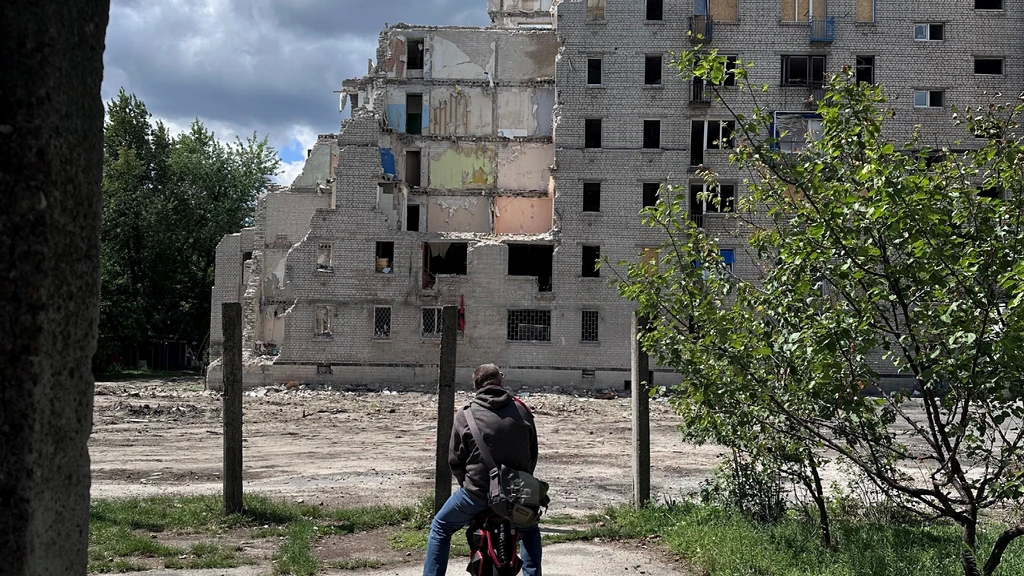
Ukraine is struggling to counter the increasing threat posed by Russia's ballistic missiles, a priority President Zelensky consistently raises during visits to Washington. The effectiveness of Ukrainian air defense against these weapons is diminishing, leading to a rising number of civilian casualties. Russia has significantly ramped up its production and modernization of ballistic missiles, alongside refining its attack tactics, making it difficult for Ukraine to find a structural response.
Ballistic missiles, which follow a high arc into the atmosphere before descending at high speed, often strike targets shortly after air raid sirens sound. While Russia claims to target military objectives and critical infrastructure, civilian areas are frequently hit, as evidenced by damage to energy plants and residential buildings in Kyiv. Military analyst Oleksandr Kovalenko notes that Russia's current production of over a thousand Iskander missiles annually far surpasses its output during the initial invasion, when Ukraine lacked advanced Western air defense systems like the Patriot. Ukraine's ability to intercept these missiles is further hampered by the limited production of interceptor missiles, such as the PAC-3, and their ongoing use in other global conflicts.
Ukraine is exploring domestic solutions, including the potential for building its own Patriot interceptors, a proposal that has seen shifting stances from former President Trump. Even if approved, domestic production could take over a year to scale. Meanwhile, Ukraine is developing its own interception systems like Freyja, though widespread deployment is not imminent. Russia has also adapted its tactics, launching massed attacks with multiple ballistic missiles simultaneously, which can overwhelm Patriot batteries. Furthermore, Russia has reportedly made its missiles more maneuverable, complicating interception efforts and potentially posing a threat to European and American air defense systems tested during the conflict. Ukraine's primary countermeasure involves using advanced drones for direct strikes on Russian missile production facilities and launch sites, aiming to force Russia to negotiate, though there is no indication of such a shift from Moscow.
The escalating use of ballistic missiles by Russia presents a significant strategic challenge for Ukraine, highlighting the evolving nature of modern warfare and the critical importance of advanced air defense capabilities. Russia's demonstrated ability to increase production, modernize its arsenal, and adapt tactics suggests a long-term strategic intent to degrade Ukraine's infrastructure and civilian morale. The reliance on external support for interceptor missiles, coupled with production limitations by Western manufacturers, underscores the systemic vulnerabilities in global defense supply chains when faced with sustained, high-intensity conflict. Ukraine's development of indigenous defense technologies, while promising, faces a critical time deficit against the immediate and growing threat. This situation prompts consideration of how international cooperation in defense manufacturing and technology transfer can be accelerated to meet emergent threats, and whether a strategic shift towards more robust, decentralized defense production is necessary to ensure national security in an era of renewed geopolitical competition.
AI-generated to prompt reflection — not editorial opinion, not advice, not a statement of fact. How this works.