Ukraine Intelligence: Russia Admits Failure of Electronic Sovereignty Plan
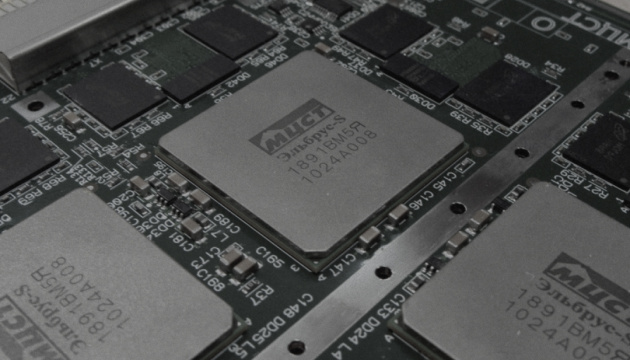
Ukraine's Foreign Intelligence Service has stated that the Russian government has officially acknowledged the failure of its ambitious plan to replace foreign electronics with domestic alternatives. This admission, according to the Ukrainian intelligence agency, confirms what was already apparent: the large-scale initiative has not achieved its objectives. The plan aimed to establish a self-sufficient domestic electronics industry, reducing reliance on foreign technology and components. However, the official recognition by the Russian government signifies a major setback for these strategic goals. The intelligence service highlighted that this failure indicates significant challenges within Russia's technological development and industrial strategy. The implications of this admitted failure could extend to various sectors dependent on electronic components, potentially impacting Russia's economic and defense capabilities. The Ukrainian assessment suggests a broader struggle for Russia to achieve technological independence.
The Ukrainian intelligence assessment highlights a critical juncture for Russia's technological self-sufficiency initiatives. The reported official admission of failure in replacing foreign electronics points to systemic challenges in industrial policy, supply chain management, and innovation capacity. Such a setback, if widespread, could expose vulnerabilities in sectors reliant on advanced electronics, potentially impacting economic resilience and national security objectives. From a forward-looking perspective, this situation underscores the inherent difficulties in achieving rapid technological sovereignty in a globally interconnected market. It raises questions about the sustainability of import substitution strategies when faced with the pace of global technological advancement and the complexities of modern electronic component manufacturing. The event prompts consideration of alternative pathways for technological development, focusing on strategic partnerships, targeted innovation, and integration into global value chains, rather than complete isolation.
AI-generated to prompt reflection — not editorial opinion, not advice, not a statement of fact. How this works.