Ukraine Intensifies Attacks on Russian Gas Infrastructure
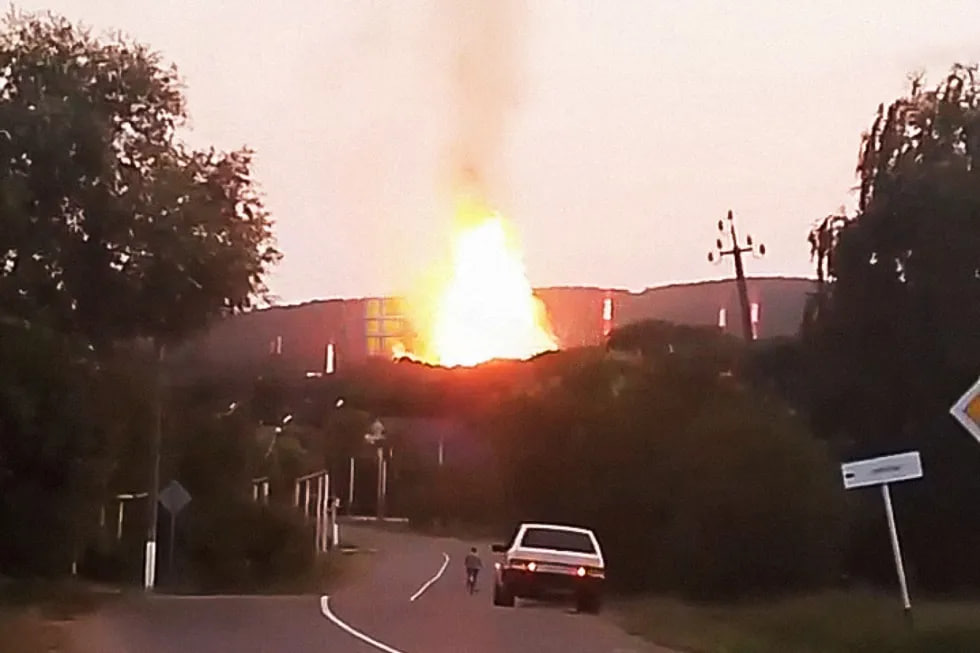
Ukraine has reportedly intensified its attacks on Russian gas infrastructure, with the "Blue Stream" gas pipeline being a recent target. Russia is reportedly hoping that Turkey will exert pressure on Ukraine to prevent such attacks. The "Blue Stream" pipeline is a significant energy conduit, transporting Russian natural gas to Turkey via the Black Sea. This escalation in attacks on energy infrastructure highlights the ongoing conflict and its potential impact on regional energy supplies. The involvement of Turkey as a potential mediator or influencer in this matter underscores the geopolitical complexities surrounding the conflict. Further details on the extent of the damage to the pipeline and the specific perpetrators have not been fully disclosed. However, the targeting of such critical infrastructure suggests a strategic shift in Ukraine's offensive capabilities and objectives.
The reported Ukrainian strikes on Russian gas infrastructure, including the "Blue Stream" pipeline, represent a significant escalation in the conflict's economic and geopolitical dimensions. Targeting energy assets can disrupt supply chains and influence international energy markets, potentially impacting global energy security. Russia's appeal to Turkey for pressure on Ukraine highlights the intricate web of diplomatic relationships and the strategic importance of energy transit routes. This development warrants scrutiny through the lens of international law regarding the targeting of civilian or dual-use infrastructure, as well as the long-term implications for energy market stability and the future of European energy security in an era increasingly defined by technological competition and climate imperatives. The effectiveness of such strikes and the potential for retaliatory measures will shape future strategic considerations for all parties involved.
AI-generated to prompt reflection — not editorial opinion, not advice, not a statement of fact. How this works.