Ukraine Launches Naval Drone Offensive Targeting Russian Vessels
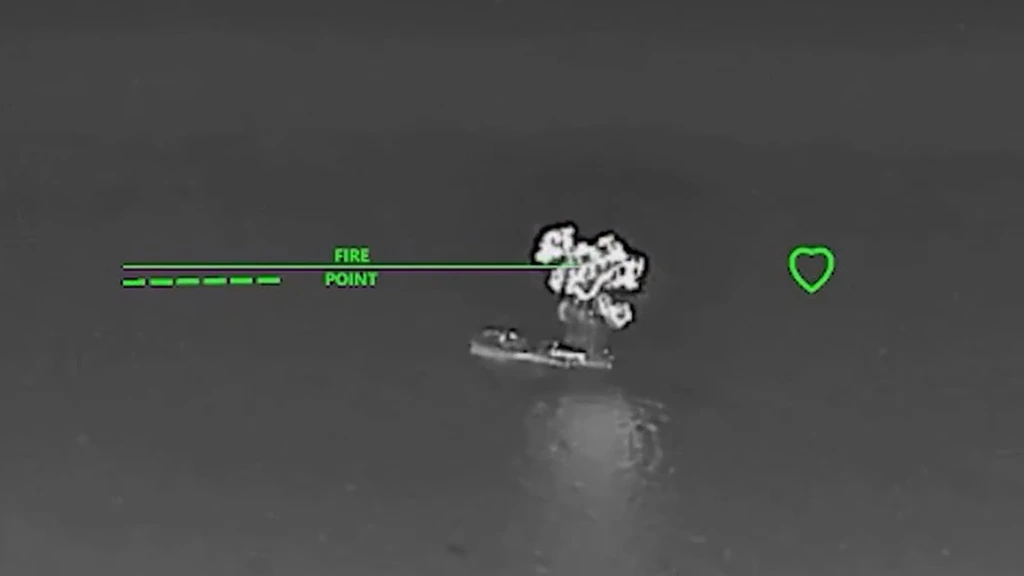
Ukraine conducted a large-scale drone attack on the Black Sea overnight, reportedly hitting twenty Russian ships, including seventeen oil tankers, according to Ukrainian drone unit commander Robert Brovdi. This action is part of a sustained campaign over the past two weeks targeting Russian vessels in the Black Sea and Sea of Azov, northeast of Crimea. The Kyiv Independent suggests this strategy aims to open a maritime front and isolate the Crimean peninsula. Commander Brovdi leads these drone operations, and he previously reported that Ukrainian drones had attacked 116 Russian ships since the intensive drone campaign began. The Sea of Azov and Black Sea are critical supply routes for Crimea, facilitating the delivery of weapons, ammunition, and fuel to Russian forces. The Sea of Azov also holds significant strategic and economic importance due to the ports of Mariupol and Berdiansk, and an estimated quarter of Russia's grain exports pass through these interconnected seas. Russia, a major global grain exporter, particularly of wheat, supplies countries like Egypt, Turkey, and Iran. In response to the ongoing drone attacks, Russia is reportedly considering rerouting grain transports, according to The Moscow Times. Russia has also carried out attacks in southern Ukraine near Odesa, hitting several non-military cargo ships and resulting in three fatalities, which the city's mayor has termed a "war crime." Meanwhile, European Commission President Ursula von der Leyen arrived in Kyiv for her eleventh visit, stating that Europe will announce new initiatives to better coordinate defense industries.
Ukraine's expansion of its operational domain to the Black Sea represents a strategic escalation aimed at disrupting Russia's logistical capabilities and economic lifelines, particularly concerning grain exports. By targeting maritime infrastructure, Ukraine seeks to impose asymmetric costs on Russia, potentially influencing its strategic calculus and resource allocation. This development underscores the evolving nature of modern warfare, where non-state actors and innovative technologies like drones can significantly alter traditional power dynamics. The international community's response, including the European Commission's focus on defense industry coordination, suggests a recognition of the protracted nature of the conflict and the need for enhanced European strategic autonomy. Future naval engagements in the Black Sea will likely be shaped by technological advancements, international maritime law, and the ongoing geopolitical competition for control over vital trade routes.
AI-generated to prompt reflection — not editorial opinion, not advice, not a statement of fact. How this works.