Ukraine Minister: Russia's Black Sea Actions Mirror Iran's Strait of Hormuz Tactics
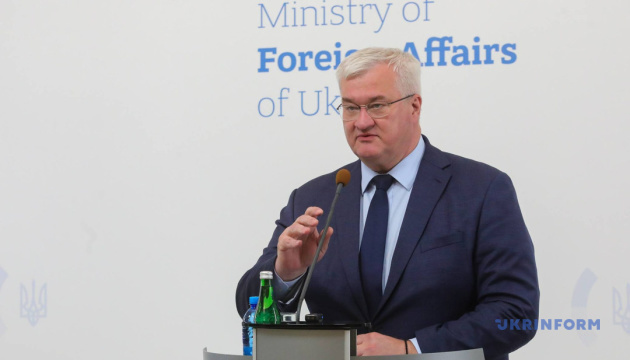
Ukrainian Foreign Minister Dmytro Kuleba stated that Russia's actions against civilian vessels in the Black Sea are comparable to Iran's tactics in the Strait of Hormuz. Kuleba warned that this "terror" against commercial shipping could lead to a significant increase in food prices. Such a price surge would disproportionately affect the most vulnerable populations globally. The minister's remarks highlight concerns about the broader economic and humanitarian implications of Russia's naval activities in the Black Sea. This situation could disrupt global food supply chains, exacerbating food insecurity in various regions. The comparison to the Strait of Hormuz, a critical global energy transit point, underscores the perceived strategic importance and potential for escalation of the Black Sea conflict. The international community is watching closely as these developments unfold.
Russia's actions in the Black Sea, as described, present a potential challenge to global food security and price stability. By potentially disrupting civilian shipping routes, Russia may be leveraging control over a vital transit corridor to exert geopolitical influence or achieve strategic objectives. This approach, if sustained, could trigger market volatility in essential commodities, impacting consumers worldwide, particularly those with limited purchasing power. The comparison to Iran's actions in the Strait of Hormuz suggests a pattern of utilizing maritime chokepoints for leverage. Future market dynamics will likely depend on the effectiveness of international diplomatic responses and the resilience of alternative supply chains. The long-term implications could include accelerated efforts to diversify food sources and shipping routes, as well as increased investment in maritime security.
AI-generated to prompt reflection — not editorial opinion, not advice, not a statement of fact. How this works.