Ukraine Parliament Appoints Naftogaz CEO Sergiy Koretsky as New Prime Minister
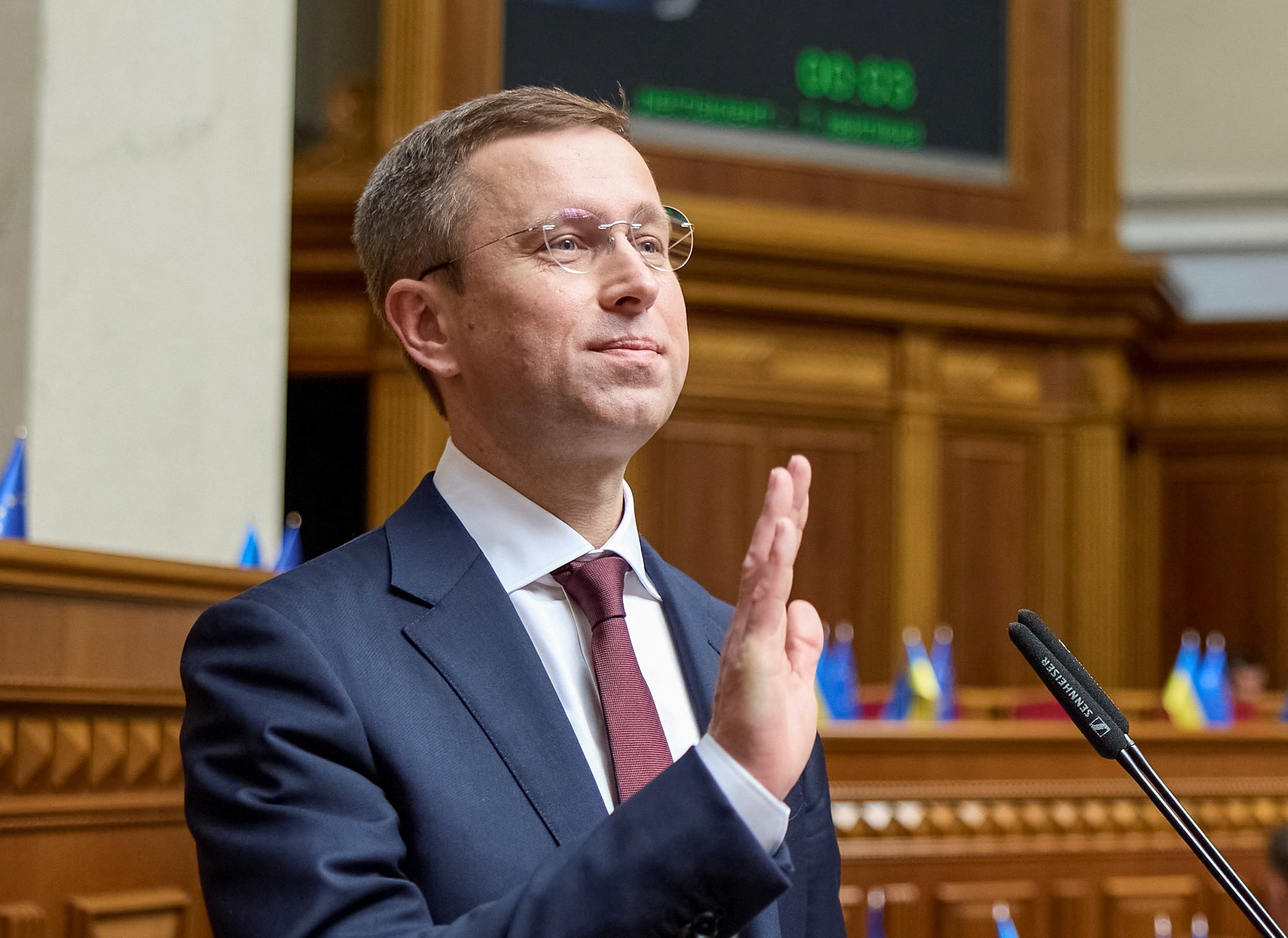
The Ukrainian Parliament has approved the appointment of Sergiy Koretsky, CEO of the energy company Naftogaz, as the country's new Prime Minister on July 16, 2026. This decision follows a ministerial reshuffle announced by President Volodymyr Zelensky. The Parliament confirmed Koretsky's nomination with 289 votes in favor out of 318. President Zelensky had described Koretsky as "the most prepared person" to lead the government, particularly in preparing the nation for the upcoming winter. Koretsky, 48, previously led Ukraine's main public gas company through significant Russian attacks on energy infrastructure. His appointment to head the government was unexpected, as he had no prior significant political experience. The outgoing Prime Minister, Yulia Svyrydenko, officially resigned on Tuesday after being dismissed by President Zelensky, who had announced his intention to reshape the government on Sunday. The reasons for the cabinet changes were not explicitly stated by the head of state, but the move sparked protests, particularly concerning the departure of the popular Defense Minister, Mikhailo Fedorov, amidst the ongoing war with Russia. Koretsky stated in Parliament that effective governance relies on people, responsibility, professionalism, and fair standards, principles he intends to bring to his new role.
The appointment of Sergiy Koretsky, a non-politician with a background in the energy sector, as Prime Minister signifies a potential shift in Ukraine's governance approach, prioritizing managerial expertise during a period of intense conflict and reconstruction. This move may reflect an effort to inject business efficiency into public administration, aiming to navigate complex challenges such as energy security and economic resilience. However, the lack of political experience could present a learning curve in diplomatic and legislative arenas. The timing, amidst a war and a significant defense ministerial change, raises questions about the strategic intent behind the reshuffle and its potential impact on national unity and international relations. The effectiveness of this transition will likely hinge on Koretsky's ability to bridge his corporate leadership style with the demands of public service and political negotiation, particularly in securing continued international support and managing domestic expectations under duress.
AI-generated to prompt reflection — not editorial opinion, not advice, not a statement of fact. How this works.