Ukraine Reports ~90% Drone Interception Rate, Ballistic Missiles Remain Key Threat
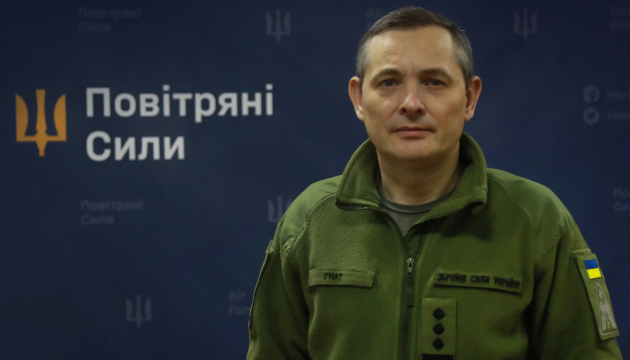
During a large-scale attack on the night of July 2nd, Ukraine's air defense forces achieved a general interception rate of approximately 90% for attacking drones. Nearly all cruise missiles launched during the assault were also successfully destroyed. Despite these successes, ballistic missiles continue to pose the primary challenge to Ukrainian air defenses. The effectiveness against drones and cruise missiles highlights the capabilities of the air defense systems in place. However, the persistent threat from ballistic weaponry underscores the need for continued development and deployment of countermeasures. This ongoing situation emphasizes the complex and evolving nature of aerial threats faced by Ukraine.
The reported high success rate in intercepting drones and cruise missiles indicates a robust and adaptive air defense posture against specific aerial threats. However, the persistent challenge posed by ballistic missiles suggests a potential gap in current interception capabilities or a difference in the technological sophistication of these incoming weapons. Future strategic planning may need to prioritize advancements in detecting and neutralizing ballistic threats, considering their speed and trajectory. This situation highlights the continuous arms race in aerial warfare, where defensive systems must constantly evolve to counter emerging offensive technologies and tactics.
AI-generated to prompt reflection — not editorial opinion, not advice, not a statement of fact. How this works.