Ukraine's Air Defense Intercepted 89% of Russian Drones and Missiles in June
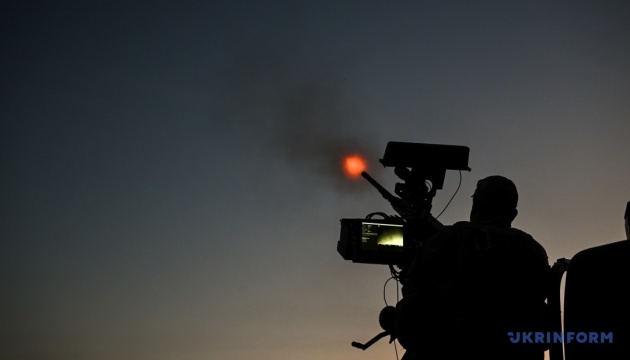
Ukraine's air defense systems successfully intercepted 89% of Russian drones and missiles during massive attacks throughout June. This high rate of interception highlights the effectiveness of Ukrainian air defense capabilities against ongoing Russian aerial assaults. The Ministry of Defense reported these figures, underscoring the significant defensive efforts made by the Ukrainian forces. The successful defense against a substantial portion of incoming threats demonstrates the resilience and advanced training of the personnel operating these systems. This achievement is crucial in mitigating the impact of Russian attacks on Ukrainian infrastructure and civilian populations. The consistent performance in June suggests a sustained level of operational readiness and technological capability. The data provided by the Ministry of Defense offers a quantitative measure of the air defense's success in repelling aerial aggression. These interceptions play a vital role in safeguarding national security and minimizing casualties. The ongoing efforts are critical in the broader context of the conflict, aiming to neutralize threats and protect critical assets.
The reported 89% interception rate of Russian drones and missiles by Ukrainian air defense in June presents a key metric for assessing the efficacy of defensive systems against aerial bombardment. From a strategic perspective, consistently high interception rates can significantly degrade the operational effectiveness of an adversary's air campaign by increasing the cost and reducing the success probability of each attack. This situation also prompts consideration of the evolving nature of air defense technology and tactics in response to diverse aerial threats, including drones and advanced missile systems. The sustained performance suggests a robust integration of surveillance, targeting, and engagement capabilities, which are critical for national security in contested airspace. Future developments may hinge on the ability to adapt to new threat vectors and maintain technological parity or superiority in air defense.
AI-generated to prompt reflection — not editorial opinion, not advice, not a statement of fact. How this works.