Ukraine's Air Defense Struggles Against Russian Ballistic Missiles
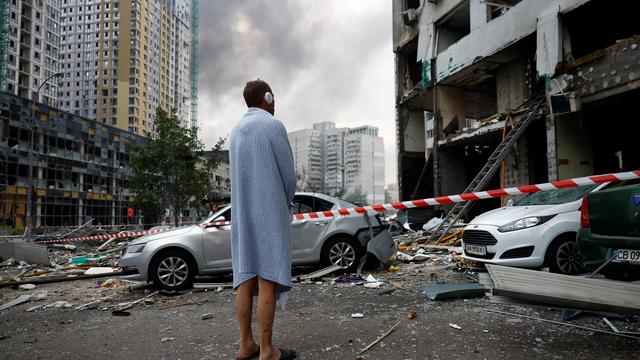
Russia launched an attack on Kyiv using 23 ballistic missiles, none of which were intercepted by Ukraine's air defenses. This continued trend is diminishing hopes for a swift end to the war. The inability to counter these specific types of threats poses a significant challenge for Ukraine's defense capabilities. The effectiveness of ballistic missiles, which are difficult to intercept, highlights a critical vulnerability. This situation could prolong the conflict and increase the strain on Ukraine's military resources. The ongoing reliance on air defense systems that are less effective against ballistic threats underscores the need for advanced weaponry. The success of these Russian attacks suggests a potential shift in military strategy, focusing on assets that bypass existing defenses. This development is a serious concern for Ukraine's security and its ability to defend its territory.
The effectiveness of Russian ballistic missile attacks against Kyiv, with none intercepted, highlights a critical gap in Ukraine's air defense capabilities. This situation underscores the evolving nature of modern warfare, where specialized threats demand specialized countermeasures. The reliance on existing air defense systems, while effective against other threats, appears insufficient against this particular type of ballistic missile. This necessitates a strategic re-evaluation of Ukraine's defense procurement and international aid requirements, focusing on acquiring advanced interceptor systems capable of countering ballistic trajectories. The prolonged conflict dynamic, influenced by such technological disparities, suggests a need for sustained international support and a focus on developing resilient defense infrastructure for the future.
AI-generated to prompt reflection — not editorial opinion, not advice, not a statement of fact. How this works.