Ukraine's air defenses evolved, but Russia adapted its missile tactics
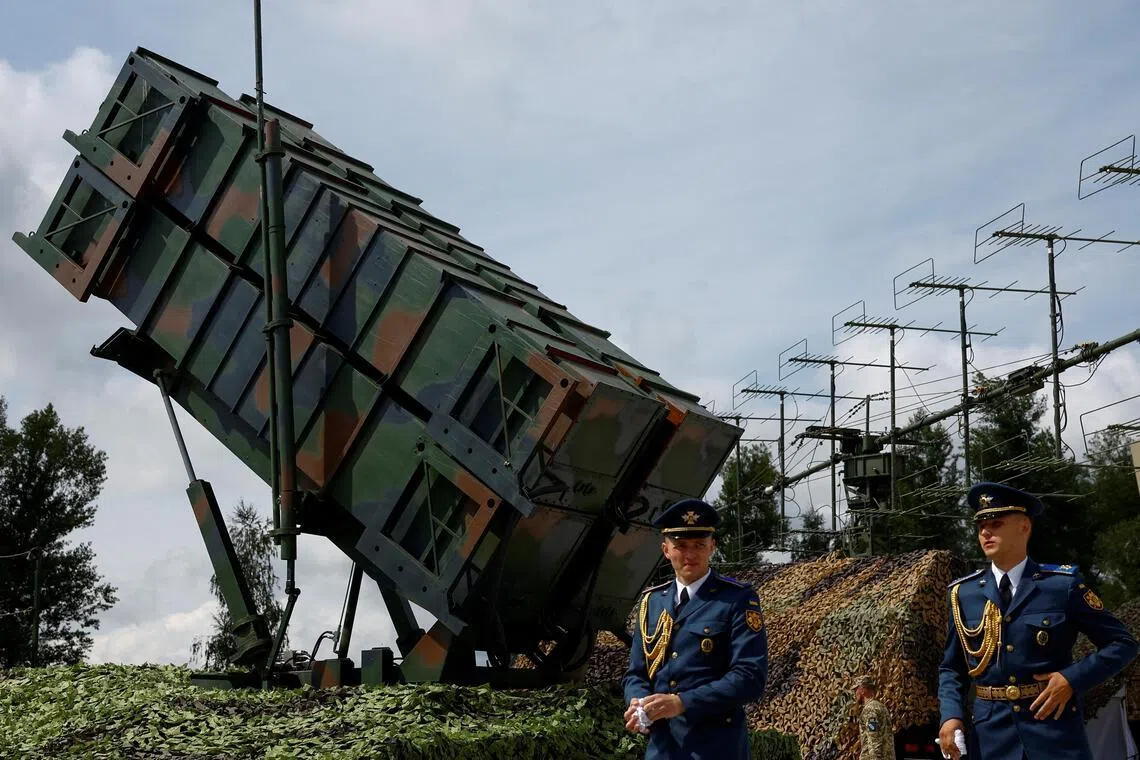
Ukraine has significantly modernized its air defense systems in response to the ongoing conflict. However, Russia has concurrently escalated its own military capabilities by increasing the production of ballistic missiles. This dynamic presents a new challenge for Ukraine's defense forces, as they must contend with evolving threats. The shift in Russian strategy suggests a move towards more sophisticated and potentially harder-to-intercept weaponry. Ukraine's efforts to bolster its air defenses were a critical step in mitigating previous Russian aerial assaults. The current situation indicates a continuous arms race, where both sides are adapting their tactics and production to gain an advantage. The increased output of ballistic missiles by Moscow could signify a strategic pivot, aiming to overwhelm or bypass existing defensive measures. This evolving threat landscape requires constant vigilance and further innovation from Ukraine's military planners and international partners.
The evolving nature of the conflict highlights a continuous adaptation cycle between offensive and defensive capabilities. Russia's increased ballistic missile production, coupled with Ukraine's air defense enhancements, illustrates a strategic arms race driven by technological development and wartime necessity. This dynamic underscores the importance of agile defense systems and robust industrial capacity in modern warfare. Future military strategies will likely depend on the ability to anticipate and counter such adaptive threats, emphasizing innovation in both offensive weaponry and defensive countermeasures. The long-term implications involve sustained investment in research and development to maintain a strategic advantage.
AI-generated to prompt reflection — not editorial opinion, not advice, not a statement of fact. How this works.