Ukraine's Ambassador to UK: NATO Must Abandon Cold War Conflict Avoidance Strategy
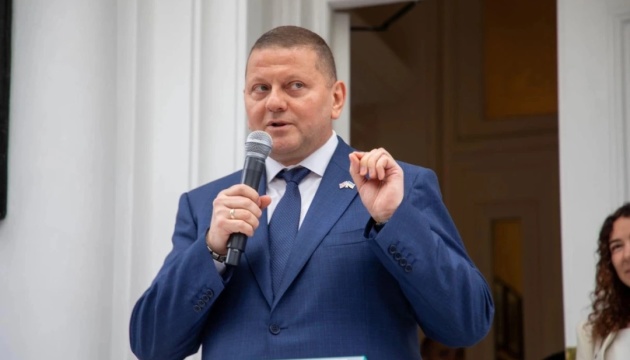
Valeriy Zaluzhny, Ukraine's Ambassador to the United Kingdom, has stated that NATO's approaches, which were shaped during the Cold War era, require adaptation to address contemporary security challenges and the nature of current warfare. He believes that the alliance must move beyond strategies designed to avoid conflict, asserting that the Cold War has long since concluded. Zaluzhny's remarks suggest a need for NATO to adopt a more proactive stance in its security policies to effectively counter evolving threats. The ambassador's comments highlight a perceived disconnect between NATO's historical strategic framework and the realities of modern geopolitical and military landscapes. This call for strategic recalibration implies that outdated doctrines may hinder the alliance's ability to respond decisively to emerging security crises. The ambassador's perspective underscores the urgency for NATO to reassess its operational and strategic paradigms in light of ongoing global instability and the changing character of international conflicts.
Ambassador Zaluzhny's call for NATO to abandon Cold War-era conflict avoidance strategies suggests a perceived strategic inertia within the alliance. The assertion implies that current security paradigms may be insufficient to address the complexities of modern geopolitical competition, particularly in the context of ongoing conflicts. This perspective prompts consideration of how historical strategic doctrines, designed for a bipolar world, might create systemic friction when applied to a multipolar and technologically dynamic environment. The analysis invites reflection on the trade-offs between maintaining stability through cautious engagement and the potential risks of strategic paralysis in the face of assertive state actors. Examining NATO's incentive structures for adaptation versus maintaining established protocols could reveal pathways for more agile and effective security responses in the coming decade.
AI-generated to prompt reflection — not editorial opinion, not advice, not a statement of fact. How this works.