Ukraine's arms production resilience offers Europe a 'striking lesson,' says Macron
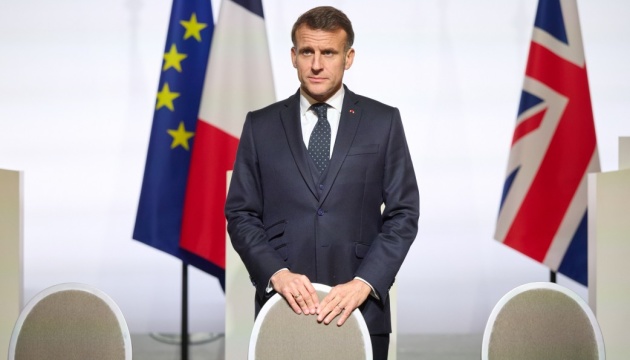
French President Emmanuel Macron has stated that Ukraine has provided Europe with a "striking lesson" on arms production capabilities. The ongoing war in Ukraine has demonstrated that strategic stability in Europe is now dependent not only on existing stockpiles of weaponry but also on the capacity for rapid manufacturing. Macron's remarks highlight Ukraine's significant role in showcasing this crucial aspect of defense readiness. The conflict has underscored the dynamic nature of European security, emphasizing the need for agile and responsive defense industrial bases. Ukraine's experience serves as a tangible example of how a nation under duress can adapt and potentially bolster its allies' production efforts. This perspective suggests a shift in how European nations perceive and invest in their defense sectors, moving beyond mere inventory management to focus on robust production pipelines. The "striking lesson" implies that Ukraine's wartime efforts have offered valuable insights into overcoming production bottlenecks and scaling up military output effectively. This could influence future defense procurement and industrial strategies across the continent.
The conflict in Ukraine has illuminated a critical vulnerability in European defense strategy: the potential disconnect between strategic planning and industrial capacity. While historical security models relied on maintaining substantial arms reserves, the protracted nature of modern warfare necessitates a parallel focus on agile and scalable production. Ukraine's demonstrated ability to adapt and produce weaponry under duress offers a compelling case study for European nations. This situation prompts a re-evaluation of defense industrial policies, encouraging investments in flexible manufacturing and supply chain resilience. The long-term implications may involve a strategic realignment towards fostering indigenous defense production capabilities across the continent, potentially reducing reliance on external suppliers and enhancing collective security through shared industrial strength. This shift could foster greater European autonomy in defense matters, adapting to the evolving geopolitical landscape of the 21st century.
AI-generated to prompt reflection — not editorial opinion, not advice, not a statement of fact. How this works.