Ukraine's Caspian Sea Attack: Is This a Great Power War?
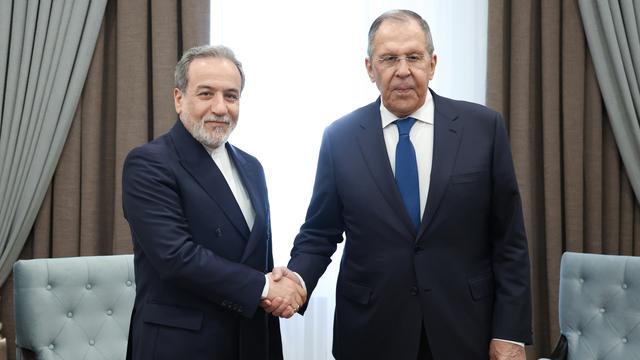
Recent events suggest a growing entanglement between two conflicts, blurring the lines between Russia versus Ukraine and the United States versus Iran. The situation is no longer as clear-cut as a simple bilateral confrontation. This evolving dynamic indicates a more complex geopolitical landscape where regional tensions are increasingly interconnected. The implications of these intertwined conflicts are significant, potentially escalating regional instability. Observers are questioning whether these developments signal a broader shift towards a great power confrontation. The complexity arises from the involvement of multiple state and non-state actors with overlapping interests and grievances. Understanding the nuances of these interconnected conflicts is crucial for navigating the current international relations.
The narrative framing of this event as a potential 'great power war' warrants careful deconstruction. While geopolitical competition is evident, attributing direct causality or a definitive escalation to a great power conflict based solely on this incident may oversimplify complex regional dynamics. The interconnectedness of conflicts, as suggested, highlights systemic vulnerabilities in international security architecture. Future developments will likely be shaped by the interplay of national interests, alliance structures, and the efficacy of diplomatic channels in managing proxy engagements. The challenge lies in fostering de-escalation mechanisms that address root causes rather than merely reacting to symptoms, particularly in an era where technological advancements can rapidly alter the theater of conflict.
AI-generated to prompt reflection — not editorial opinion, not advice, not a statement of fact. How this works.