Ukraine's Commander-in-Chief Removed After Days of Protests
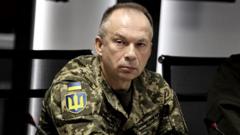
Following days of public outcry and protests, Oleksandr Syrskyi has been dismissed from his position as Commander-in-Chief of the Ukrainian Armed Forces. The removal comes shortly after the widely supported Minister of Defense, Mykhailo Fedorov, was also reportedly replaced, sparking significant backlash. The exact reasons for Syrskyi's dismissal were not immediately clear, but it follows a period of intense public scrutiny and dissatisfaction within the military ranks. Fedorov's departure, in particular, had generated considerable negative reaction, suggesting a potential shift in military leadership that is not being met with universal approval. The situation indicates a period of significant flux and potential instability within Ukraine's top military command as the nation continues to face external challenges. Further details regarding the specific grievances or the process leading to these high-level changes are anticipated.
The reported changes in Ukraine's military leadership, including the dismissal of the Commander-in-Chief and the potential replacement of the Defense Minister, occur amidst ongoing conflict and public scrutiny. Such personnel shifts can impact military morale, operational continuity, and strategic decision-making. From a governance perspective, these events highlight the complex interplay between civilian oversight, military command, and public opinion, especially in a wartime environment. The timing and nature of these changes will be critical in assessing their effect on Ukraine's defense posture and its ability to navigate the protracted geopolitical challenges of the coming decade. Understanding the underlying factors driving these decisions, whether related to battlefield performance, strategic direction, or internal political dynamics, is essential for a comprehensive view.
AI-generated to prompt reflection — not editorial opinion, not advice, not a statement of fact. How this works.