Ukraine's Defense Minister Ousted Amid War Strategy Dispute
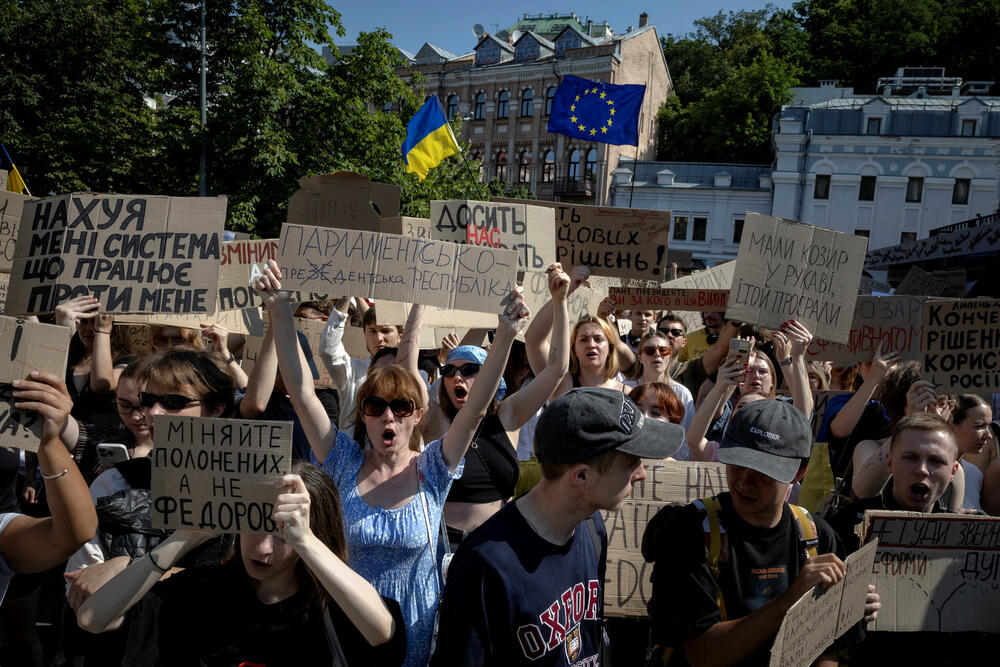
The dismissal of Ukraine's Minister of Defense has exposed a significant disagreement regarding the conduct of the war, particularly in the context of drone warfare. This leadership change has triggered a political crisis within Ukraine. The dispute highlights differing views on how to best prosecute the conflict in an evolving technological landscape. The removal of the minister underscores the internal challenges faced by the Ukrainian government as it navigates the complexities of modern warfare. This event suggests a potential shift in strategic priorities or operational approaches. The political fallout from this decision is likely to have ramifications for Ukraine's ongoing defense efforts and its international partnerships. The situation points to the critical need for unified leadership and strategic consensus during wartime. The focus on drone warfare indicates its increasing importance in contemporary military operations. This internal discord could impact Ukraine's ability to maintain momentum on the battlefield and secure necessary support from allies.
The removal of Ukraine's Defense Minister signifies a critical juncture in the nation's wartime strategy, particularly concerning the integration of drone technology. This event may reflect underlying tensions between established military doctrines and the rapid adaptation required by advancements in unmanned aerial systems. Such leadership shifts can reveal differing perspectives on resource allocation, technological investment, and operational risk assessment. The ensuing political crisis suggests that consensus on the future direction of the conflict is fragile. Moving forward, Ukraine's ability to present a unified front, both domestically and internationally, will be paramount. The long-term implications may involve a re-evaluation of military procurement, training, and strategic planning to better align with the realities of drone-centric warfare and to maintain resilience against evolving threats.
AI-generated to prompt reflection — not editorial opinion, not advice, not a statement of fact. How this works.