Ukraine's Drone Attacks Spark Fuel Crisis Across Russia
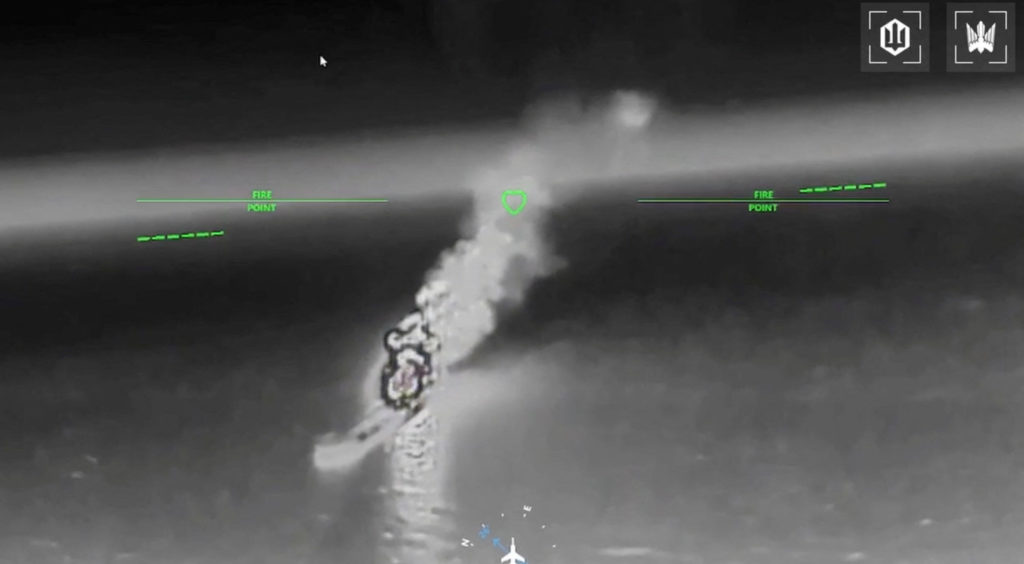
Ukraine's persistent drone attacks targeting oil refineries and other critical infrastructure within Russia have instigated a significant fuel crisis. This has led to widespread gasoline shortages and the implementation of rationing measures in numerous Russian regions. Motorists are experiencing extensive delays, with many waiting for hours to refuel their vehicles. The ongoing strikes are disrupting the nation's fuel supply chain, creating logistical challenges and impacting daily life for citizens reliant on transportation. The situation highlights the vulnerability of Russia's energy sector to aerial assaults and the cascading economic effects of such attacks. The fuel shortages are reportedly affecting multiple areas, underscoring the broad impact of Ukraine's strategic targeting of Russian energy assets. The duration and extent of these shortages remain a developing concern for the Russian economy and its population.
Ukraine's strategic drone operations against Russian energy infrastructure represent a calculated effort to disrupt economic stability and resource allocation, thereby influencing the broader geopolitical conflict. This approach leverages asymmetric warfare capabilities to impose costs on an adversary's critical sectors. The resulting fuel shortages and rationing within Russia demonstrate the interconnectedness of energy supply chains and national economies, highlighting how targeted disruptions can create significant domestic challenges. Looking ahead, such tactics underscore the increasing importance of cybersecurity and physical infrastructure resilience in an era of evolving conflict dynamics, particularly as state and non-state actors explore novel methods to exert pressure through economic and logistical means.
AI-generated to prompt reflection — not editorial opinion, not advice, not a statement of fact. How this works.