Ukraine's Drone Forces Destroy 90 Russian Ships in One Week
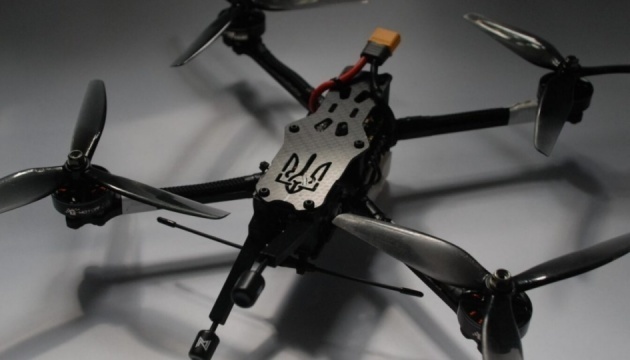
Ukrainian drone operators successfully targeted and damaged 90 vessels belonging to the Russian Federation over the past week. This significant offensive action was carried out by units within the Unmanned Systems Forces of the Armed Forces of Ukraine. The pace of these attacks indicates a consistent and frequent application of drone technology against Russian naval assets. Reports suggest that a strike was initiated approximately every 112 minutes throughout the week, highlighting the relentless nature of these operations. This sustained campaign demonstrates a strategic focus on degrading Russia's maritime capabilities through the use of unmanned aerial systems. The effectiveness of these drone strikes has resulted in a substantial loss of 90 Russian vessels within a seven-day period. The Ukrainian military's deployment of drone technology appears to be a key component of its naval warfare strategy. This development underscores the evolving nature of modern conflict, where unmanned systems play an increasingly critical role.
The reported destruction of 90 Russian vessels by Ukrainian drone forces in a single week signifies a significant escalation in asymmetric naval warfare. This sustained operational tempo, averaging a strike every 112 minutes, suggests a well-coordinated and resource-intensive effort by Ukraine. Such tactics leverage the cost-effectiveness and reduced risk associated with unmanned systems compared to traditional naval engagements. From a strategic perspective, this campaign aims to disrupt Russian logistics, project power in contested maritime zones, and impose economic costs. The long-term implications involve the potential for further innovation in drone technology and counter-drone measures, reshaping naval doctrines and defense spending priorities globally over the next decade. This highlights the critical need for robust maritime security architectures capable of adapting to the proliferation of autonomous systems.
AI-generated to prompt reflection — not editorial opinion, not advice, not a statement of fact. How this works.