Ukraine's Drone Forces Hit 18 Power Substations in Occupied Territories, Including 14 in Crimea
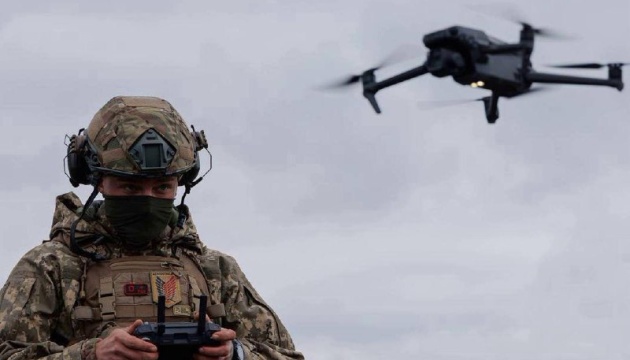
Ukraine's Drone Systems Forces have successfully targeted 18 electrical substations located within Russian-occupied territories of Ukraine. This operation, codenamed "Crimean Switch Off," specifically impacted 14 of these substations in the temporarily occupied region of Crimea. The strikes aim to disrupt the energy infrastructure controlled by Russian forces in the annexed areas. The Drone Systems Forces are a specialized branch of the Ukrainian Armed Forces focused on employing unmanned aerial vehicles for combat and reconnaissance missions. This action is part of a broader strategy to degrade the logistical and operational capabilities of the occupying forces. The specific number of substations hit underscores the coordinated nature of the operation. The targeting of energy infrastructure is a significant tactic in modern warfare, aimed at impacting civilian morale and military operations. The Ukrainian military has been increasingly utilizing drone technology to achieve strategic objectives. The operation highlights the ongoing conflict and Ukraine's efforts to reclaim its territories.
The reported strikes on electrical substations in occupied Ukrainian territories, including a significant number in Crimea, represent a strategic effort by Ukraine's Drone Systems Forces to disrupt Russian energy infrastructure. This tactic, often referred to as targeting critical infrastructure, aims to degrade the operational capacity and logistical support for occupying forces. From a systems perspective, such actions can have cascading effects on both military and civilian populations, potentially impacting resource allocation and public services. The effectiveness of these strikes will likely be measured by the duration of power disruptions and the ability of Russian forces to repair or bypass the damaged substations. Future developments may involve reciprocal actions or heightened security measures by the occupying forces, potentially escalating the conflict's technological and strategic dimensions. The long-term implications hinge on the resilience of the affected infrastructure and the broader geopolitical context of the conflict.
AI-generated to prompt reflection — not editorial opinion, not advice, not a statement of fact. How this works.