Ukraine's Drone Forces Strike 15 Russian Shadow Fleet Vessels
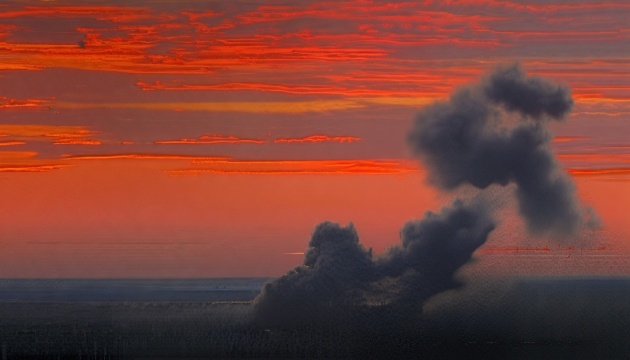
On the night of July 13, Ukraine's Unmanned Systems Forces successfully attacked 15 vessels belonging to Russia's shadow fleet. This operation represents a significant action by Ukraine's specialized drone units against Russian maritime assets. The 'shadow fleet' typically refers to a group of oil tankers and cargo ships that operate under a veil of secrecy, often to circumvent international sanctions and price caps imposed on Russian oil. These vessels are frequently older, less regulated, and pose environmental risks due to their condition and operational practices. Ukraine has been increasingly targeting such assets as part of its strategy to disrupt Russian economic capabilities and military logistics. The success of this operation highlights the growing effectiveness of Ukraine's drone warfare capabilities in striking critical infrastructure and economic enablers of the Russian Federation. Further details on the specific types of vessels or the exact locations of the strikes were not immediately available, but the scale of the attack suggests a coordinated effort.
This operation by Ukraine's Unmanned Systems Forces against Russia's shadow fleet underscores the evolving nature of modern conflict, where asymmetric capabilities like drone technology can significantly impact strategic objectives. The targeting of shadow fleet vessels, often used to circumvent sanctions and maintain energy exports, directly addresses the economic underpinnings of Russia's war effort. By disrupting these operations, Ukraine aims to increase economic pressure and limit revenue streams available for military expenditure. This approach reflects a broader trend of utilizing non-kinetic or economically focused attacks to achieve strategic goals, potentially offering a less escalatory path than direct military confrontation in certain domains. The long-term implications involve the potential for increased insurance and shipping costs for sanctioned trade, as well as further scrutiny and potential countermeasures from states seeking to maintain these trade routes.
AI-generated to prompt reflection — not editorial opinion, not advice, not a statement of fact. How this works.