Ukraine's Drone Forces Strike Ten More Power Substations in Occupied Territories, Six in Crimea
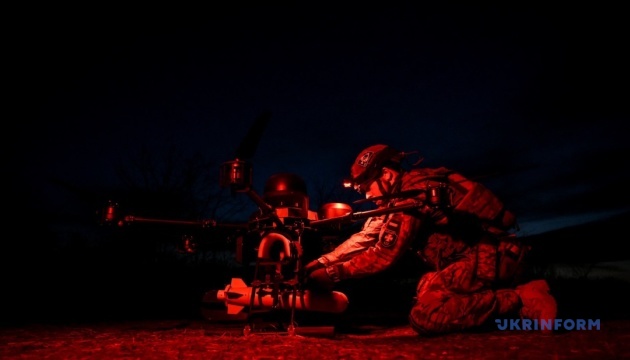
Ukraine's Drone Systems Forces have successfully targeted ten additional electrical substations located within Russian-occupied territories of Ukraine. This operation, codenamed "Crimean Switch Off," specifically impacted six of these substations in the temporarily occupied region of Crimea. The strikes are part of a broader Ukrainian effort to disrupt Russian energy infrastructure in the annexed territories. The Drone Systems Forces, a branch of the Ukrainian Armed Forces, have been increasingly utilizing unmanned aerial vehicles for strategic strikes. This latest action demonstrates a continued focus on degrading the logistical and operational capabilities of Russian forces by targeting critical infrastructure. The operation aims to exert pressure on Russian control and potentially impact their military operations and civilian administration in the occupied areas, particularly in Crimea.
The reported strikes on ten electrical substations, six in Crimea, represent a strategic escalation in targeting critical infrastructure within occupied territories. This action by Ukraine's Drone Systems Forces aligns with a broader pattern of asymmetric warfare aimed at degrading an adversary's logistical and operational capacity. By disrupting power supply, Ukraine seeks to impose economic and psychological costs, potentially impacting Russian military cohesion and civilian governance. From a systems perspective, such attacks highlight the vulnerability of centralized energy grids to determined, technologically adept actors. Future geopolitical stability may hinge on developing more resilient infrastructure and robust cyber-defense mechanisms, as well as exploring diplomatic avenues to de-escalate conflicts that necessitate such destructive tactics. The long-term implications involve assessing the effectiveness of infrastructure attacks as a strategic tool versus the risk of retaliatory escalation and the potential for unintended humanitarian consequences.
AI-generated to prompt reflection — not editorial opinion, not advice, not a statement of fact. How this works.