Ukraine's Drone Units Strike Russian Radar and Air Defense Systems in Krasnodar Krai
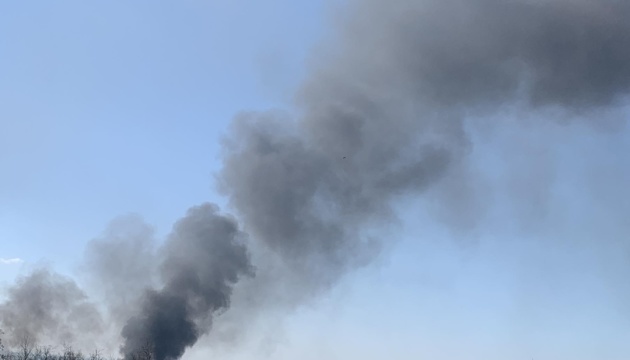
The First Separate Center of Unmanned Systems of the Armed Forces of Ukraine has successfully targeted Russian military assets in the Krasnodar Krai region of the Russian Federation. Ukrainian drone operators struck one "TOR-M2" anti-aircraft missile system. In addition to the air defense system, seven Russian radar stations were also hit during the operation. This action by Ukraine's drone forces aims to degrade Russian air defense capabilities and surveillance in the occupied territories. The specific targets indicate a strategic effort to disrupt Russian electronic warfare and air defense networks. The successful strikes demonstrate the growing effectiveness and reach of Ukraine's unmanned systems in challenging Russian military infrastructure.
These strikes highlight the evolving nature of modern warfare, with unmanned systems playing an increasingly critical role in reconnaissance and direct engagement. The targeting of radar stations and air defense systems suggests a strategic focus on degrading an adversary's situational awareness and ability to project air power. Such operations can disrupt enemy command and control, potentially creating windows of opportunity for other military actions. The long-term implications involve a continued arms race in drone technology and counter-drone measures, impacting future military doctrines and defense budgets globally. Understanding the tactical and strategic advantages gained by Ukraine through these drone operations is crucial for assessing the broader conflict dynamics and the future of aerial warfare.
AI-generated to prompt reflection — not editorial opinion, not advice, not a statement of fact. How this works.