Ukraine's Identity Shift: Mazepa Replaces Lenin Amidst De-Sovietization
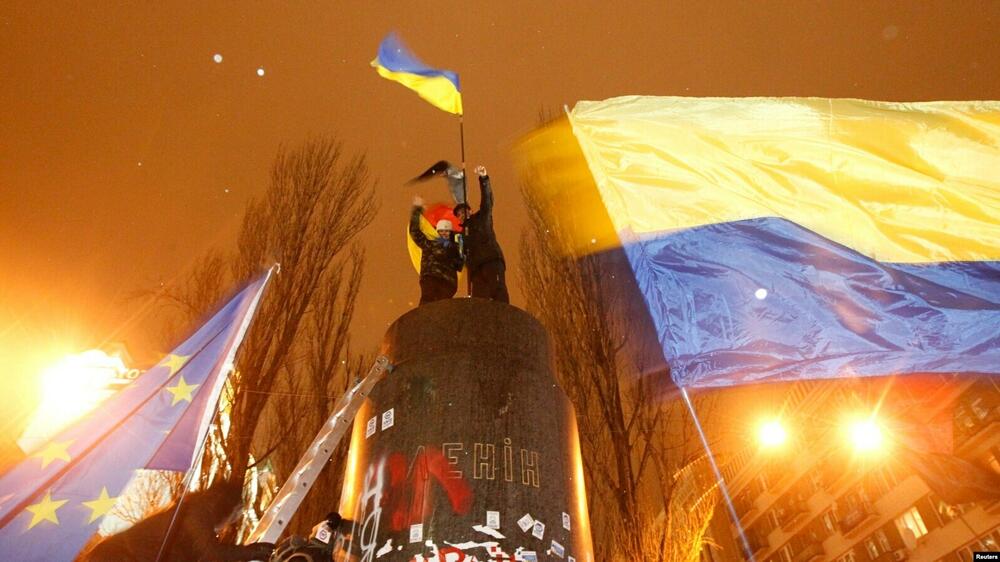
Ukraine has accelerated the removal of Soviet-era monuments, a process that intensified following Russia's annexation of Crimea in 2014 and the full-scale invasion in 2022. This de-Sovietization effort reflects a broader Ukrainian re-evaluation of national identity. The desire to replace figures like Lenin with historical Ukrainian figures, such as Hetman Ivan Mazepa, signifies a deliberate move away from Soviet and Russian influence. Mazepa, a prominent Cossack leader from the late 17th and early 18th centuries, is increasingly being embraced as a symbol of Ukrainian statehood and resistance. This cultural and historical reorientation is a direct response to ongoing geopolitical pressures and a quest to solidify a distinct Ukrainian narrative. The shift in public monuments mirrors a deeper societal transformation, as Ukraine seeks to sever ties with its Soviet past and assert its independent historical and cultural heritage.
The accelerated removal of Soviet monuments in Ukraine, particularly after 2014 and 2022, illustrates a nation actively reshaping its public sphere to align with a distinct identity. This de-Sovietization process, exemplified by the proposed replacement of Lenin with figures like Mazepa, reflects a strategic effort to decouple from historical narratives imposed by external powers and to foster internal cohesion around a sovereign Ukrainian heritage. Such actions, while rooted in historical grievances and contemporary security concerns, highlight the complex interplay between national identity, historical memory, and geopolitical alignment in the 21st century. The long-term implications involve solidifying Ukraine's cultural independence and potentially influencing regional historical discourse.
AI-generated to prompt reflection — not editorial opinion, not advice, not a statement of fact. How this works.