Ukraine's internal politics strained by war, testing peace prospects
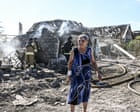
As Russia's assault on Ukraine intensifies with increased drone and missile attacks on Kyiv, the nation's political landscape is undergoing shifts that could impact its chances for ending the conflict. These intensified attacks, some of which have penetrated air defenses and caused civilian casualties, force many Kyiv residents to seek shelter in metro stations at night. The current situation mirrors a cyclical pattern in the war, where hopes for peace deals are repeatedly dashed by Russia's persistent maximalist objectives. This recurring dynamic suggests a deeper struggle over historical narratives is influencing the conflict's trajectory. The ongoing hostilities and the political maneuvering beneath the surface are testing Ukraine's alliances and its ability to forge a path toward resolution.
The ongoing conflict in Ukraine presents a complex interplay between external aggression and internal political dynamics. While Russia's intensified air campaign aims to exert pressure, it also appears to be exacerbating pre-existing political fault lines within Ukraine. The cyclical nature of peace talks versus renewed hostilities highlights the Kremlin's strategic objectives, which have remained consistent despite significant international pressure. The strain on Ukraine's political and diplomatic efforts suggests that managing both the war effort and internal cohesion is a critical challenge. Future stability will likely depend on Ukraine's capacity to navigate these internal pressures while maintaining international support and strategic clarity regarding its long-term objectives.
AI-generated to prompt reflection — not editorial opinion, not advice, not a statement of fact. How this works.