Ukraine's Parliament Accepts Prime Minister Yulia Svyrydenko's Resignation, Dissolving Government
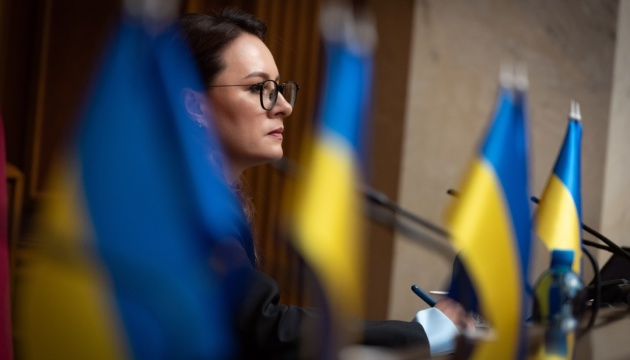
The Verkhovna Rada, Ukraine's parliament, has officially accepted the resignation of Prime Minister Yulia Svyrydenko. This decision automatically triggers the dissolution of her entire government, as per constitutional procedures. The parliament's vote signifies the end of Svyrydenko's tenure and necessitates the formation of a new executive branch. The specific reasons for her resignation were not detailed in the provided information. However, the move marks a significant shift in Ukraine's political landscape, requiring a swift process to appoint a new Prime Minister and cabinet. This transition will likely involve consultations between the President and parliamentary factions to ensure governmental stability. The outgoing government's performance and future policy directions will be subject to review as the new administration takes shape. The Ukrainian public will be closely watching the developments as the country navigates this change in leadership.
The parliamentary vote to accept Prime Minister Svyrydenko's resignation and dissolve the government represents a pivotal moment for Ukraine's executive leadership. This transition presents an opportunity to reassess policy priorities and governance structures in light of evolving domestic and geopolitical challenges. The incoming administration will face the imperative to demonstrate continuity and stability while potentially introducing fresh strategic directions. Evaluating the underlying incentives that led to this change will be crucial for understanding future political dynamics and ensuring effective public administration. The process of forming a new government will test the resilience of Ukraine's institutional frameworks and its capacity to adapt to leadership shifts.
AI-generated to prompt reflection — not editorial opinion, not advice, not a statement of fact. How this works.