Ukraine's refinery attacks create critical fuel shortages for Russian troops
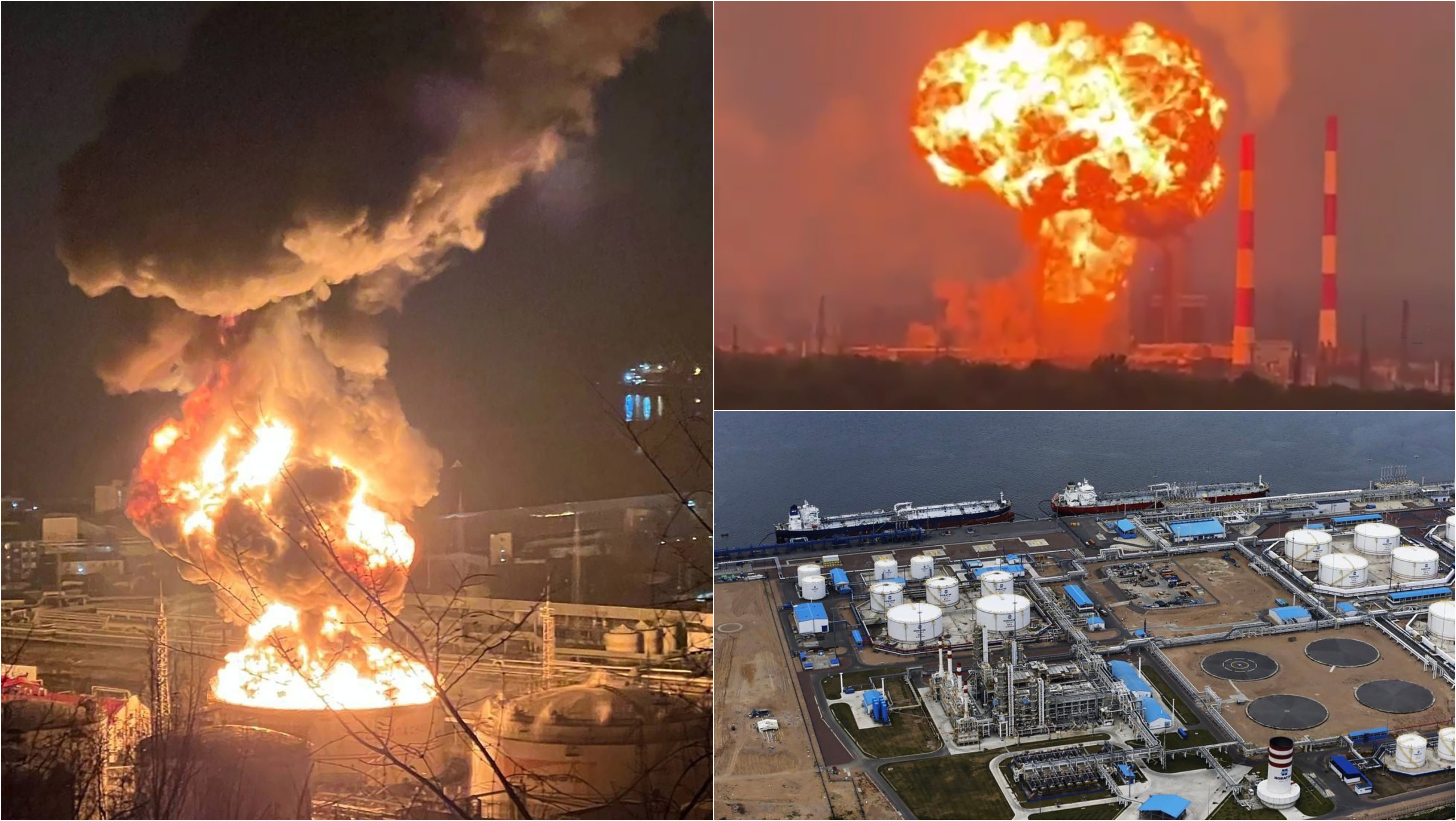
Ukraine's persistent attacks on Russian oil refineries are now directly impacting the fuel supply for Russian military forces. Soldiers are reporting significant shortages of gasoline and facing restrictions on refueling their military vehicles. This situation highlights a critical vulnerability in Russia's logistical support for its troops. The Kyiv Post reported on these developments, indicating that the ongoing strikes have created a "catastrophic shortage" of fuel. The lack of adequate fuel allocation is directly hindering the operational readiness of Russian military units. This situation underscores the effectiveness of Ukraine's strategy in targeting Russia's energy infrastructure to disrupt its military capabilities. The consequences of these attacks are being felt on the front lines, affecting the daily operations and mobility of Russian forces.
Ukraine's targeted strikes on Russian oil refineries represent a strategic disruption of Russia's logistical chain. By degrading refining capacity, Ukraine is directly impacting the fuel availability for Russian military operations, potentially affecting troop mobility and operational tempo. This approach leverages economic and resource-based warfare, aiming to impose significant costs on Russia's war effort without direct kinetic engagement with all military units. The long-term implications for Russia's military sustainability and energy sector resilience warrant close observation, particularly as global energy markets may react to sustained disruptions. This dynamic highlights the evolving nature of modern conflict, where infrastructure targeting can yield substantial strategic advantages.
AI-generated to prompt reflection — not editorial opinion, not advice, not a statement of fact. How this works.